Record rainfall, destructive winds and rising rivers have damaged homes, roads and bridges across the state.
INDIANAPOLIS — At least seven people have died after days of powerful storms and historic flooding across Indiana. The severe weather began Aug. 11 and brought damaging winds, tornadoes and repeated rounds of heavy rain. Some areas of central Indiana received more than a foot of rain during the week, according to the National Weather Service.

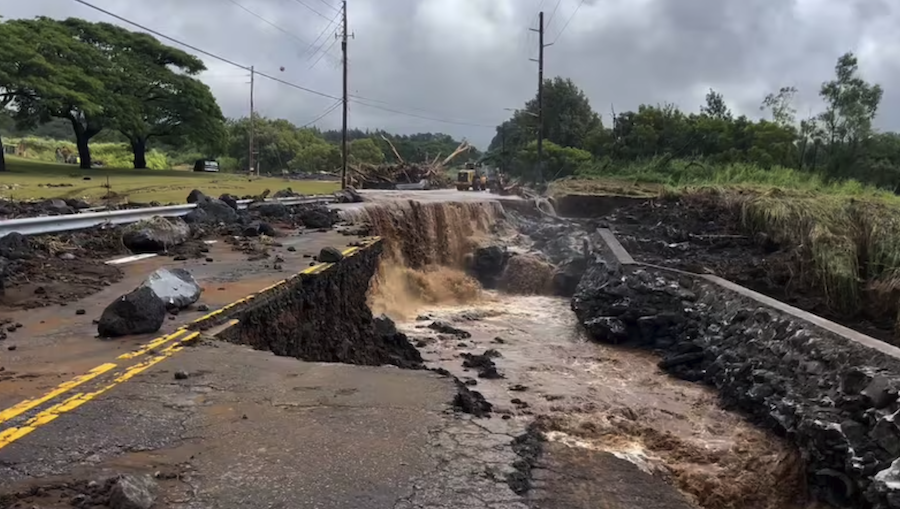
The victims include a 4-year-old boy, three men and three women, according to the Indiana Department of Homeland Security. The boy was killed in Jennings County when strong winds caused a tree to crash through his bedroom. In Henry County, 31-year-old James Briar was found dead after authorities said he apparently went around a road barricade on his bicycle and fell into a section of road that had washed away.
Another victim was 19-year-old Matthew Morey in Delaware County. Authorities said Morey had jumped from a bridge into the fast-moving Mississinewa River with friends before disappearing. His body was recovered several days later. A 58-year-old woman, Stephanie Sallee, was also found dead after investigators said her vehicle was apparently swept away while she was driving on a flooded road.
The storms began with a powerful wind event known as a derecho on Aug. 11. The National Weather Service said the system produced widespread winds of 70 to more than 100 mph in parts of the Midwest. A wind gust of 99 mph was measured at Gary/Chicago International Airport in Gary, Indiana. Tornadoes were also confirmed in parts of northern Indiana.
Heavy rain continued after the windstorm, creating what the National Weather Service described as catastrophic flooding in parts of central Indiana. More than 11 inches of rain fell in some locations during the multi-day storm, while some areas received more than 12 inches during the entire wet period.
The White River reached levels not seen in more than a century. The river rose above 24 feet at Anderson and Noblesville, breaking records that had stood since 1913. Hundreds of homes were evacuated along the river, and emergency crews used boats to rescue people trapped by rapidly rising water. Indianapolis Mayor Joe Hogsett described it as the city’s worst flooding in more than 30 years.
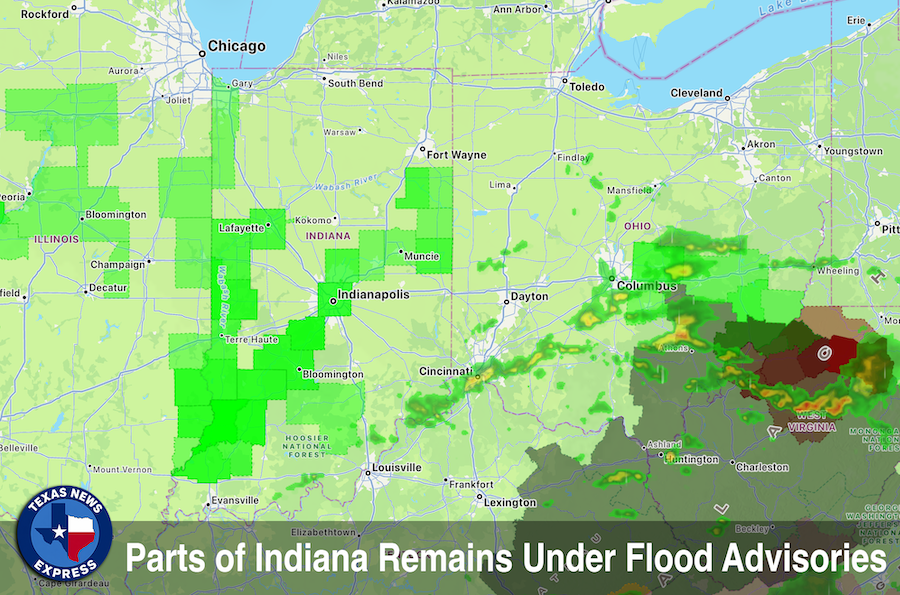
Conditions were improving in parts of central Indiana Monday, but the danger was not over. The National Weather Service said the main flood crest was moving south along the White River. Flood warnings remained in effect at several locations, including Noblesville, Anderson, Spencer and communities farther downstream. Additional rain later in the week could keep rivers above flood stage longer.
The storms also caused widespread power outages and serious damage to roads, bridges and other infrastructure. More than 106,000 Indiana customers were still without electricity Monday morning, down from about 300,000 at the height of the storms. Officials said some roads and bridges had been badly damaged or completely washed away.
Gov. Mike Braun declared a statewide disaster emergency, allowing Indiana to use additional state resources for the response. President Donald Trump also approved an emergency declaration for Indiana. FEMA said the declaration covers severe storms, straight-line winds, tornadoes and flooding that began Aug. 11 and are continuing. Federal assistance can help pay for emergency operations such as rescues, evacuations, shelters and other immediate needs.
State and local officials are now beginning the long process of measuring the damage and helping people return home. Emergency officials continue to warn residents not to drive through flooded roads or around barricades. Even when water looks shallow, it can hide washed-out pavement or be strong enough to move a vehicle. The National Weather Service says most flood deaths happen in vehicles.