
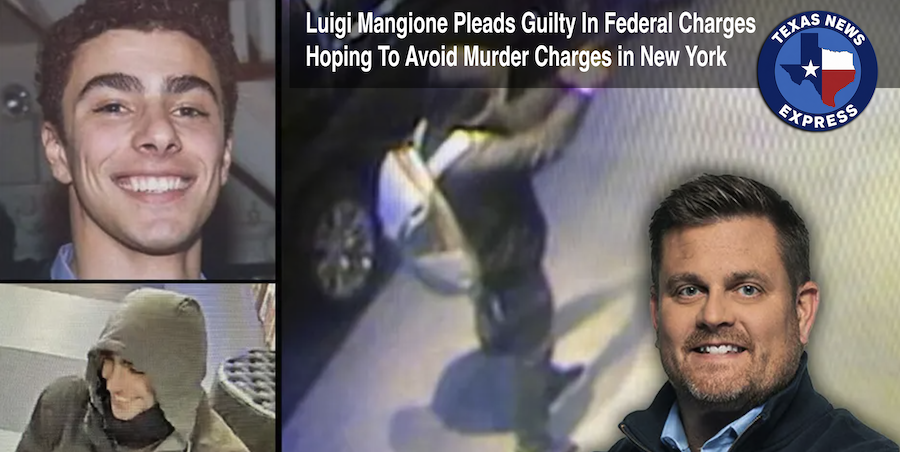
Mangione did not receive a plea deal. His lawyers are instead trying to use his federal guilty plea to end the separate New York murder case and reduce his eventual prison sentence.
NEW YORK — Luigi Mangione has admitted for the first time that he shot and killed UnitedHealthcare CEO Brian Thompson. Mangione pleaded guilty in federal court Friday to two stalking charges connected to Thompson’s Dec. 4, 2024 killing outside a Manhattan hotel. During the hearing, Mangione told the court that he shot Thompson and that Thompson died as a result. Federal sentencing is scheduled for Dec. 18.
Despite reports before the hearing about a possible plea agreement, Mangione did not receive a plea deal from federal prosecutors. U.S. Attorney Jamie McDonald said prosecutors made no concessions and remain free to ask for the maximum sentence. Both federal charges carry a possible sentence of life in prison. Prosecutors have already said they plan to seek life.
That makes Mangione’s decision unusual. Defendants often plead guilty after prosecutors agree to drop charges or recommend a lower sentence. Mangione received no such promise. His lawyers have not publicly explained every reason for the decision, but their actions immediately after the plea show what appears to be the main strategy: use the federal conviction to try to stop New York from holding a second trial over the same killing.
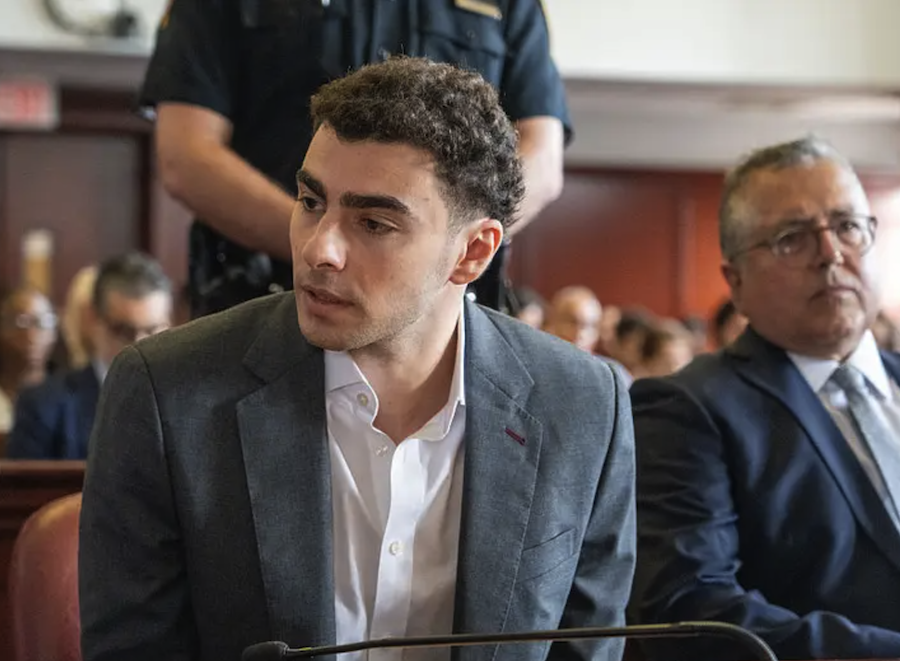
Minutes after the federal plea, Mangione’s lawyers asked a New York judge to dismiss the remaining state charges, including second-degree murder and weapons offenses. They argue that another prosecution would violate New York’s double-jeopardy protections. Defense attorney Karen Friedman Agnifilo said Mangione had accepted “full responsibility for the death of Brian Thompson” and accused state and federal prosecutors of trying to punish him twice for the same conduct.
The strategy has already delayed the state trial. Jury selection had been scheduled to begin Sept. 8, but Justice Gregory Carro postponed the trial Monday while he considers the defense request. Manhattan prosecutors have until Oct. 9 to respond, and Mangione’s next state court appearance is set for Dec. 10. Mangione still officially pleads not guilty to the state murder charge.
New York law gives defendants stronger protection against repeated prosecutions than federal law generally provides. Former Manhattan prosecutor Catherine Christian told Reuters that the defense can argue that both cases are really about the same basic act: Mangione intended to kill Thompson and then killed him. That could give the defense a serious argument for dismissing the state case.
Other legal experts are less convinced. Pace University law professor and former prosecutor Bennett Gershman said he believes dismissal is unlikely because stalking and murder have different legal requirements. The Manhattan District Attorney’s Office is expected to make the same argument: the federal case required proof involving stalking and interstate activity, while the state murder charge requires different elements.
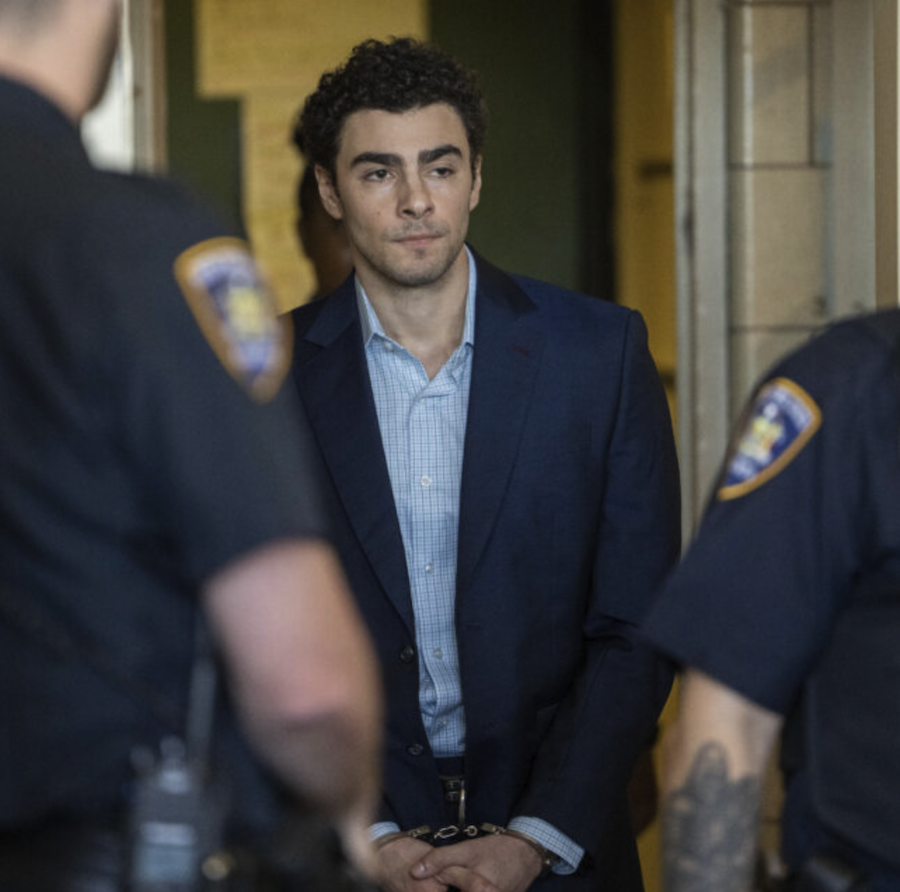
CBS News legal analyst Caroline Polisi also pointed to New York’s unusually strong double-jeopardy rules before Mangione entered his plea. She said those protections could create a real legal problem for prosecutors if a federal conviction covered much of the same conduct. Legal expert Richard Schoenstein told CBS that the issue is complicated and open to debate rather than an automatic victory for either side.
There is another part of the defense strategy: sentencing. Federal prosecutors say the sentencing guidelines calculate to roughly 24 to 30 years, although the judge is not required to follow that range and prosecutors are asking for life. By pleading guilty and accepting responsibility, Mangione’s lawyers can ask U.S. District Judge Margaret Garnett to consider his background, health history and other factors when choosing a sentence. The guilty plea may help that argument, but there is no guarantee it will reduce his punishment.
Going to trial also carried major risks. Prosecutors said their evidence included surveillance video, eyewitness accounts, DNA and fingerprints, a 3D-printed pistol they say matched the murder weapon and writings found with Mangione when he was arrested. His lawyers had tried to keep evidence from his backpack out of court, arguing that police searched it improperly, but judges rejected those efforts. The Associated Press said the guilty plea appears to be part of a wider strategy to settle the federal case, fight off the state prosecution and reduce the chance of receiving multiple prison sentences.
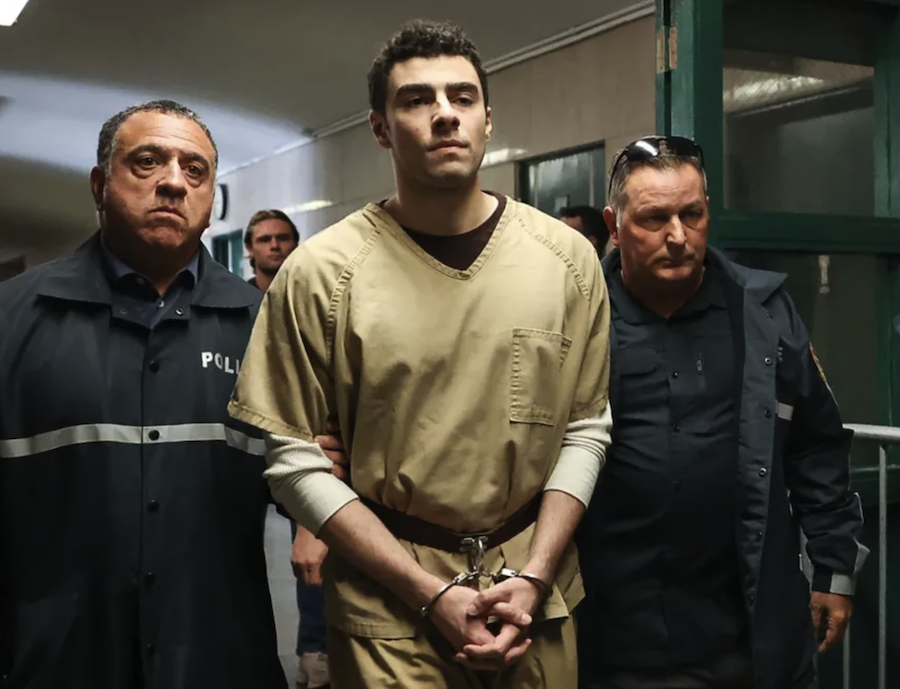
The defense has already won one major battle. A federal judge earlier dismissed federal murder and firearms charges, which removed the possibility of the death penalty. Mangione then pleaded guilty to the remaining federal stalking charges. If his lawyers can now persuade the state judge to dismiss the New York case and later convince the federal judge to impose something closer to the guideline range than life in prison, the strategy could greatly reduce his total punishment.
Federal prosecutors strongly reject the idea that Mangione’s complaints about the health insurance system should lessen responsibility for Thompson’s death. McDonald said that no political belief or grievance can justify murder. Thompson’s family called the guilty plea an important step toward justice and said it expects the sentence to reflect the seriousness of the crime.
For now, Mangione has admitted killing Thompson but still faces a major legal fight over what punishment he will receive and whether New York can prosecute him separately for murder. His federal sentence will be decided Dec. 18. Before that, the state court is expected to consider whether his guilty plea was the first step toward ending one case — or simply an admission that can also be used against him in another.