By Texas News Express Staff, with reporting from Lisa Ramos in Venezuela
CARACAS, Venezuela — The confirmed death toll from Venezuela’s devastating earthquakes has risen to at least 1,430, while approximately 3,360 people have been injured as Venezuelan and international rescue teams continue searching collapsed buildings for survivors.
The two powerful earthquakes struck northern Venezuela within seconds of one another on June 24. The U.S. Geological Survey measured the first earthquake at magnitude 7.2 and the second at magnitude 7.5, occurring only 39 seconds later near Yumare, west of Caracas.
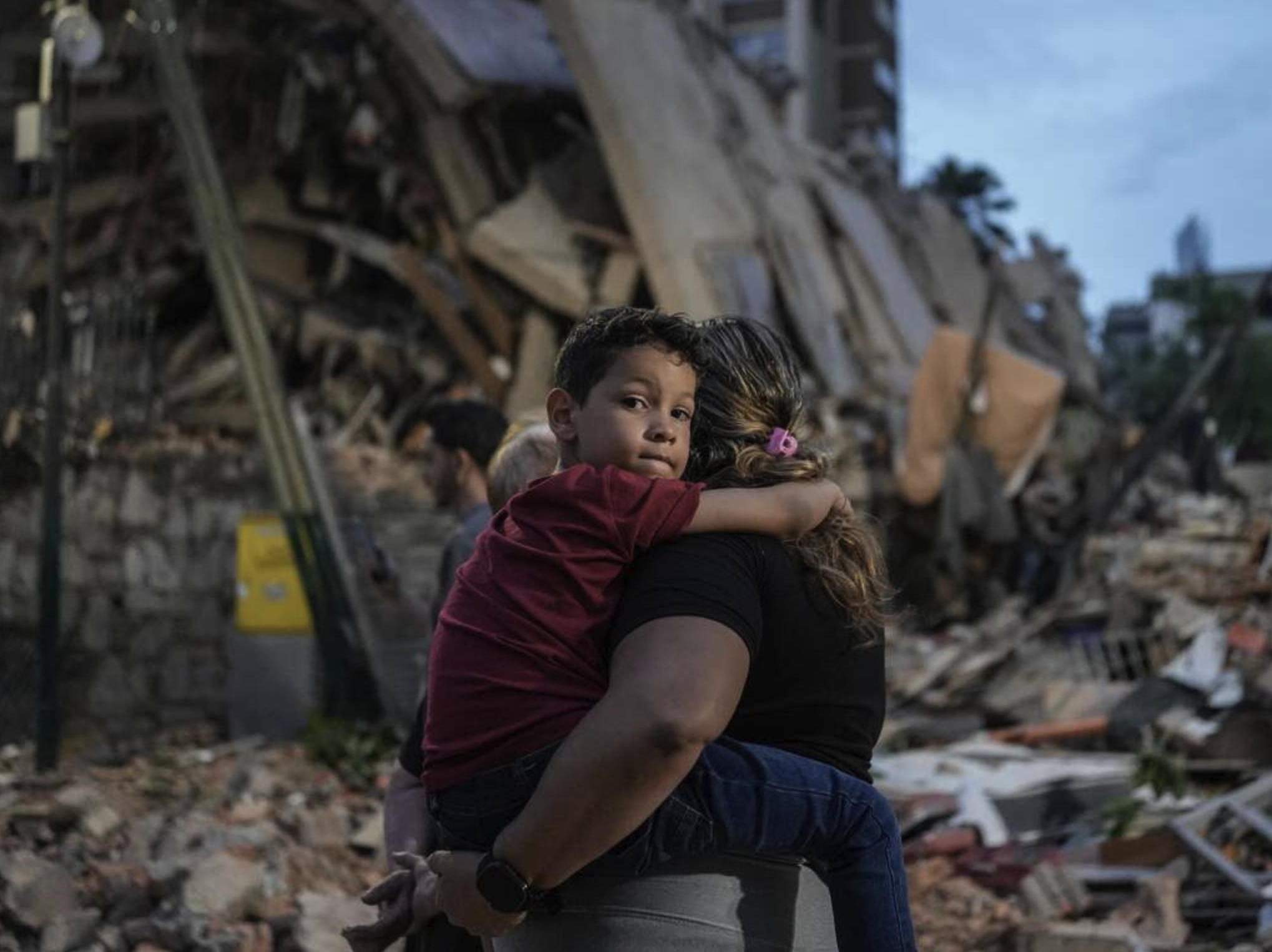
The earthquakes caused extensive destruction across parts of Caracas and the northern coastal state of La Guaira, where apartment buildings, homes and other structures collapsed. Hundreds of aftershocks have added to the danger, forcing many residents to remain outdoors rather than return to minor damaged buildings.
Rescue personnel from Venezuela and numerous foreign countries are racing to locate people believed to be trapped beneath concrete, steel and debris. More than 1,600 international rescuers had arrived by Saturday, according to reports, bringing search dogs, medical personnel, specialized equipment and emergency supplies.
Israel has sent 4 complete self-sufficient rescue teams and are already on the ground working and was one of the first countries to arrive. Canada, Japan, Germany, Spain, Mexico, Chile, and Greece are among the other countries who have sent rescue teams so fare in addition to the United States. For the US’ part, teams from New York City, Houston, Dallas, Austin, Chicago, Miami, The US Marine Corps, Cal Fire, Los Angeles Fire Department, and others have now departed for Venezuela.
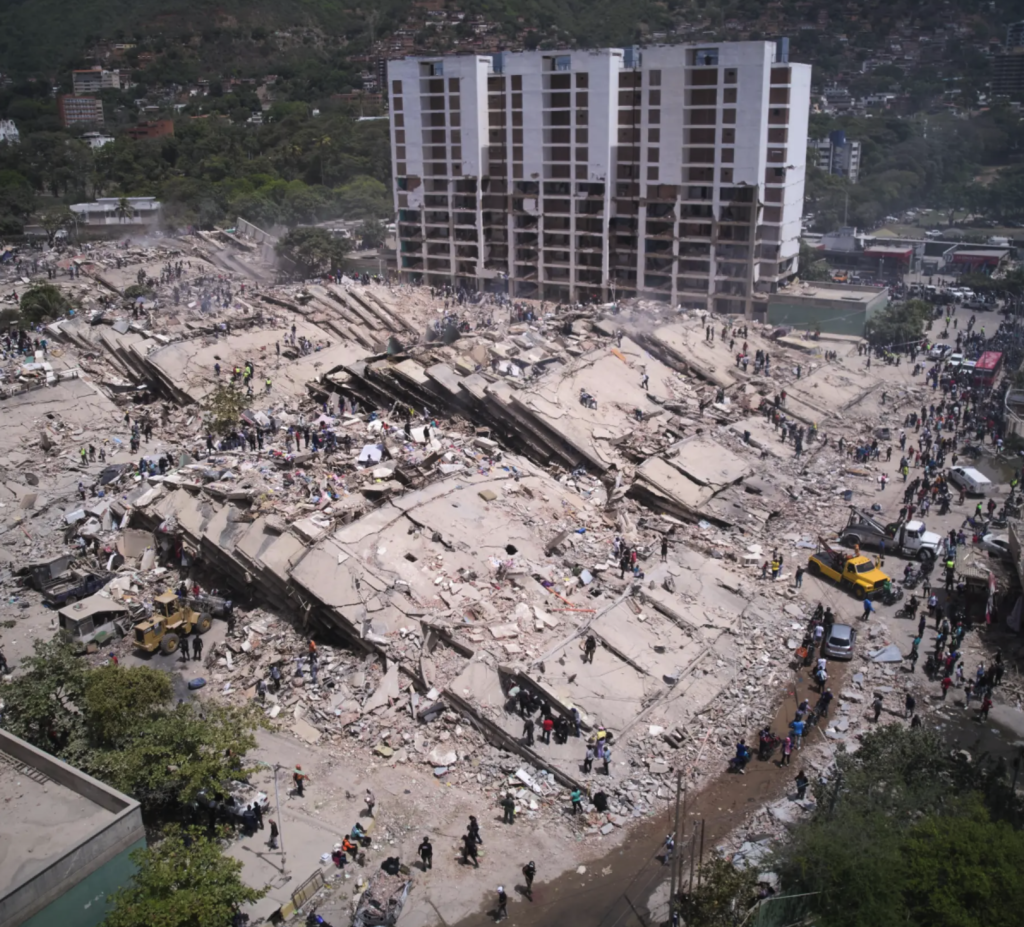
The official casualty figures could continue to rise as crews gain access to heavily damaged communities and identify victims recovered from the rubble.

Residents Work Together as Some Neighborhoods Wait for Help
Texas News Express reporter Lisa Ramos witnessed Venezuelan residents organizing their own rescue and relief operations in affected neighborhoods.
Neighbors formed human chains to remove debris, searched damaged buildings for missing relatives and collected food, water, medicine and clothing for displaced families. Some residents used hand tools or dug through rubble with their hands while waiting for trained rescuers and heavy equipment.
The devastation was accompanied by a strong sense of cooperation among ordinary citizens. People who had lost their own homes were helping search for the relatives of neighbors, while volunteers traveled from other communities carrying supplies.
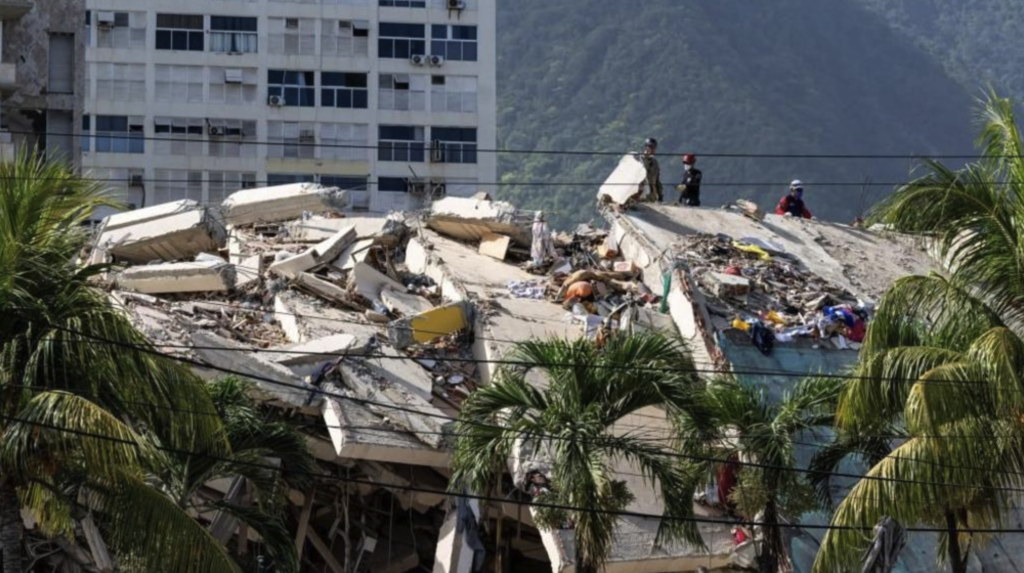
Similar civilian-led efforts have emerged throughout the affected region. Volunteer convoys have transported water, food, medication and tools into La Guaira, while restaurants and community organizations have converted buildings into kitchens, shelters and collection centers.
However, I also encountered intense distrust of Venezuelan government personnel, particularly in neighborhoods where residents said rescue help had been delayed or had not arrived.
I had the chance to interview Ramón Cruz, Isabella Cortez and Javier Ramos, all of whom were searching for loved ones or attempting to obtain rescue assistance. Each said they preferred help from international teams rather than Venezuelan government agencies.
“Please, we need help from other countries,” Cruz told me. “My father is still alive, but I can’t get my own government’s rescue people to do anything.”
Cruz said he believed his father remained alive beneath a collapsed structure, but he had been unable to persuade local rescue personnel to begin a search.
Isabella Cortez said she had heard that American search-and-rescue teams were working in Venezuela and wanted them deployed to her neighborhood.
“I heard there are American rescue teams here, and I want them in my neighborhood,” Cortez said.
Javier Ramos said an Israeli military rescue team had reached a collapsed building and rescued his two daughters after he was unable to obtain assistance from local authorities.
“The Israeli military rescue team was already here and was able to pull my two daughters from the collapsed building,” Ramos said. “I pleaded with the city fire-rescue team, and they just drove by without inspecting anything.”
The specific circumstances described by the three residents, including the identity of the team that Ramos said rescued his daughters, have not been independently verified by Texas News Express. Venezuelan authorities have not publicly responded to those individual allegations.
Complaints Appear Concentrated in Certain Areas
The strongest feelings of desperation and distrust appeared to be concentrated in specific neighborhoods rather than spread evenly throughout the disaster zone.
According to my observations and interviews, some of those communities that had experienced political persecution or discrimination in the past seem to have little, if any, government rescue efforts. Residents expressed concern that their neighborhoods were receiving less attention than politically favored or more prominent areas.
Ramos said many residents were not rejecting all government assistance. Instead, they appeared to believe that foreign teams would be more likely to enter their neighborhoods promptly and conduct thorough searches without regard to local political divisions.
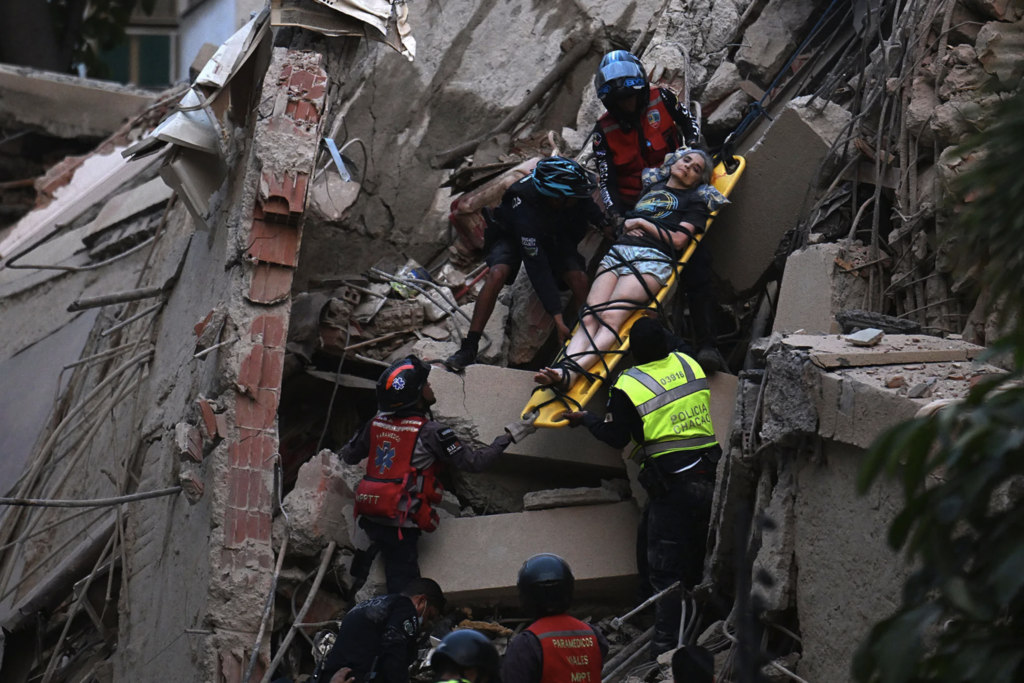
Other news reports and independent reporting from the affected region has also documented complaints about an uneven government response. Some volunteers said government personnel were highly visible in certain priority areas but largely absent from other damaged neighborhoods.
Venezuelan emergency officials have said rescue teams must first assess unstable structures and identify locations where survivors are most likely to be found. They have also warned that using heavy machinery too soon could cause additional collapses and kill people still alive beneath large concrete slabs.
Professional rescuers say residents may sometimes interpret safety assessments and delays as inaction. At the same time, even some emergency workers have acknowledged that the scale of the disaster has overwhelmed Venezuela’s available personnel and equipment.
Government Deploys Emergency Personnel and Establishes Priority Zones
Venezuela’s interim government declared a state of emergency and deployed military, police, firefighters and civil-protection personnel to the affected region.
Authorities established checkpoints and traffic restrictions on roads leading from Caracas to La Guaira, saying congestion was interfering with ambulances, rescue vehicles and humanitarian convoys.
Government agencies have created command centers and supply-distribution locations while focusing rescue operations on the areas believed to have suffered the greatest structural damage.
Emergency officials said their initial priorities include locating survivors, treating injured people, inspecting damaged buildings and restoring electricity, water and transportation.
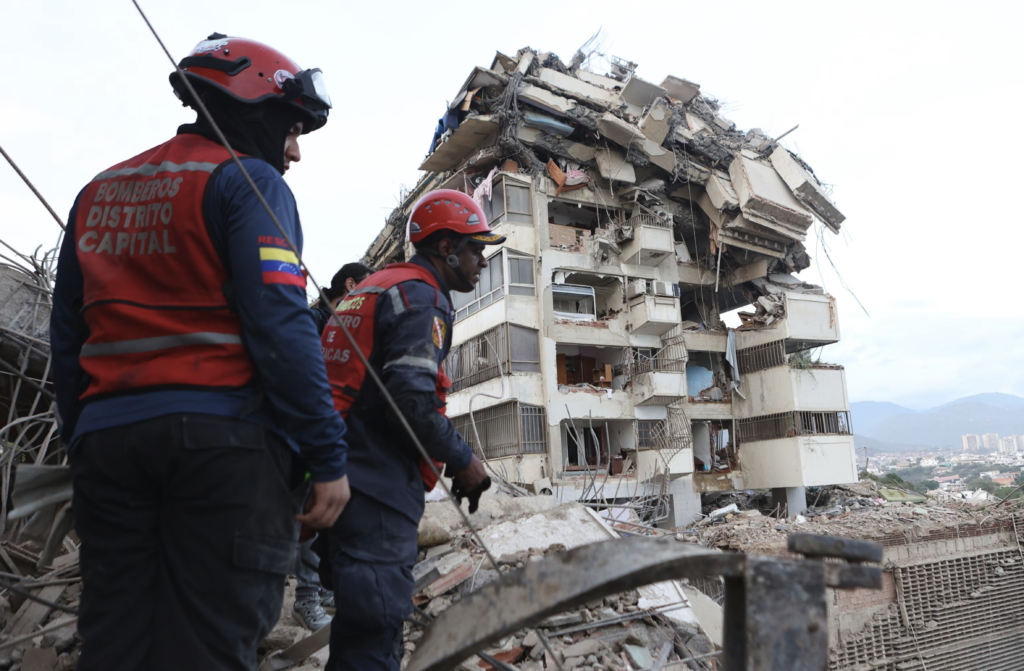
Some communities have received government food deliveries, helicopters, rescue crews and construction equipment. Other neighborhoods reported waiting days for structural inspections or organized search teams.
Officials have defended the decision to concentrate resources first in places with the largest known building collapses. Critics argue that the system has been too slow to assess less-visible neighborhoods and may be influenced by political considerations.
There is not yet enough independently verified evidence to determine whether particular communities were intentionally denied assistance. The history of political repression in Venezuela, however, has contributed to deep public distrust of government institutions.
International Rescue Operation Expands
Countries across the Americas, Europe and other regions have sent emergency personnel and supplies.
Mexico dispatched military rescuers, search dogs, aircraft, a drone and medical equipment. El Salvador sent rescuers, paramedics and relief supplies, while Colombia deployed an urban search-and-rescue team with canine units and equipment.
Spain sent military emergency personnel and firefighters. Switzerland, Germany, France, Italy, India and several other nations also dispatched specialists, medical teams, field hospitals or humanitarian supplies.
The International Federation of Red Cross and Red Crescent Societies sent hygiene kits, mosquito nets, kitchen supplies and other emergency materials. Civilian humanitarian organizations have also begun distributing meals and essential goods.
The influx of foreign teams has offered hope to families who believe relatives remain alive beneath collapsed structures. It has also created logistical difficulties as officials try to assign teams, transport equipment and coordinate operations across multiple communities.
What the United States Is Doing
The United States has mounted a major response that includes specialized search-and-rescue teams, medical assistance and emergency funding.
American personnel have been deployed with search equipment and trained dogs, while U.S. aircraft and other resources are helping transport rescuers and supplies. The Trump administration pledged approximately $150 million in assistance during the initial response.
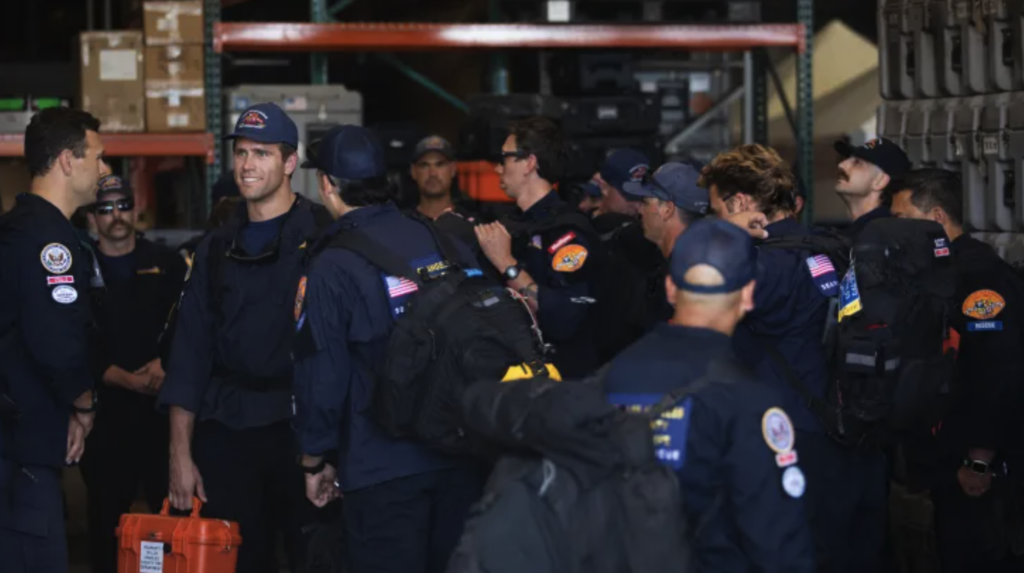
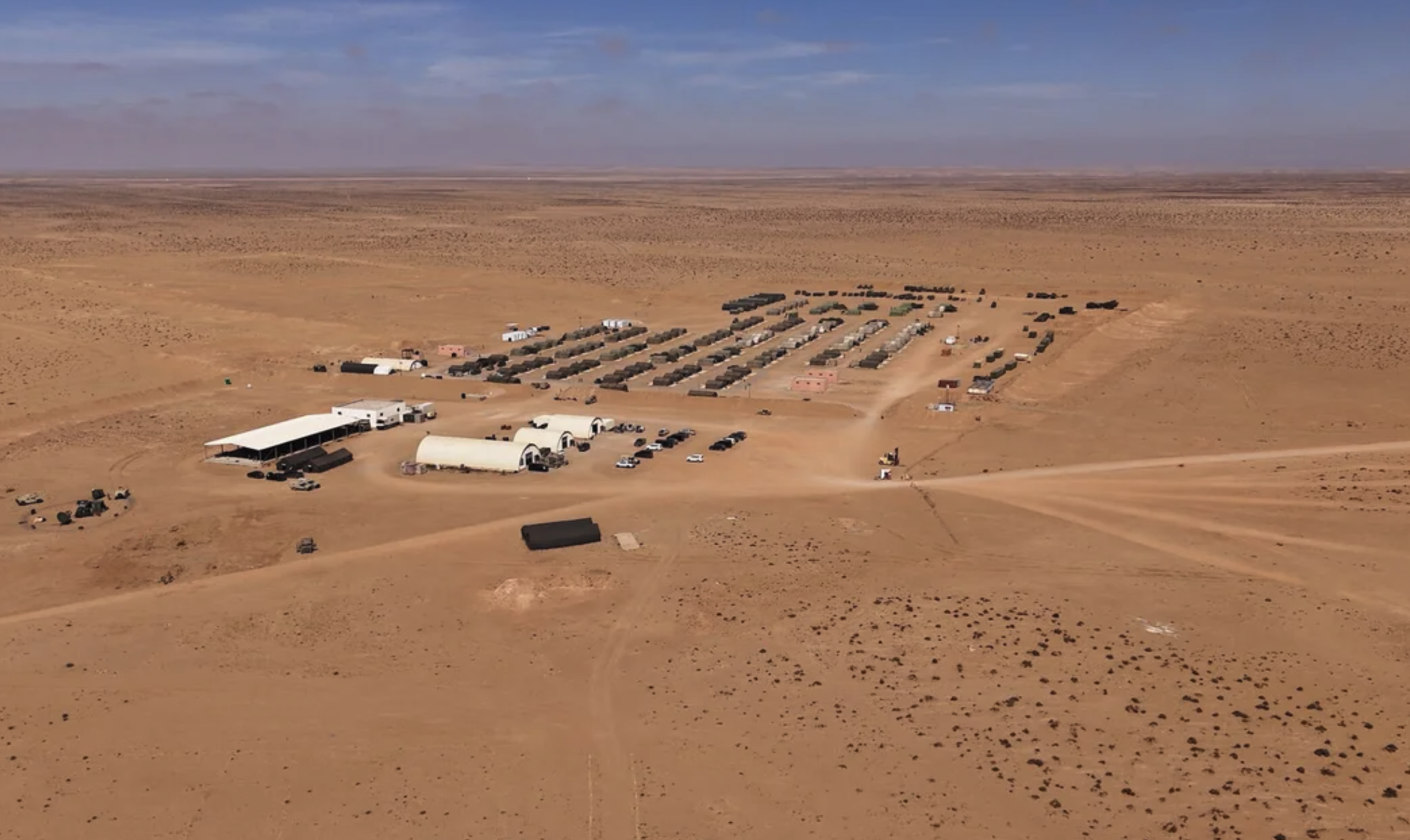
US rescue teams prepare and assemble before leaving to Venezuela to aid to rescuing victims of the power earthquakes.
U.S. officials said the priority is saving lives, supporting emergency medical care and helping Venezuela manage the humanitarian crisis.
The response is notable because relations between Washington and Caracas have historically been tense. The immediate disaster operation has nevertheless produced cooperation between the two governments and placed political disputes behind the urgent search for survivors.
Some residents that I interviewed specifically requested American assistance, saying they trusted foreign rescuers more than local agencies.
The United States has not indicated that its personnel will replace Venezuelan authorities or operate independently throughout the country. Foreign rescue teams generally work under assignments coordinated with the national government and international emergency organizations.
That means families requesting an American or other foreign team cannot necessarily determine which unit will be sent to their neighborhood. So far, the only rescue teams to go into politically persecuted or impovershed areas have been the Israeli teams.
Uncertainty Surrounds the Number of Missing
The number of people still unaccounted for remains unclear.
Government databases, independent websites, opposition-linked groups and social-media lists have produced widely different numbers. Some independent systems contain tens of thousands of names, but those entries should not be interpreted as confirmed cases of people trapped beneath buildings.
Many names may represent people whom relatives cannot contact because cellphone service, power and transportation have been disrupted. Lists may also contain duplicate reports or people who evacuated without informing relatives.
Authorities have reported far fewer officially confirmed missing-person cases, contributing to accusations that the government is undercounting the disaster.
The gap may partly reflect different definitions. Government figures generally require a formal report and verification, while citizen-run databases allow families to submit names, photographs and last-known locations immediately.
The true number of missing people will likely remain uncertain until communications improve, shelters are registered and rescue crews complete searches of the most severely damaged structures.
Venezuela’s History of Destructive Earthquakes
Venezuela lies near the boundary between the Caribbean and South American tectonic plates. Much of the country’s population lives in the seismically active northern region, where major fault systems include the Boconó and El Pilar faults.
One of the deadliest earthquakes in Venezuelan history struck in 1812, devastating Caracas, Mérida and other communities. Historical estimates vary, but approximately 26,000 people may have died.
Caracas was struck again in 1967 by a magnitude 6.6 earthquake that killed approximately 240 to 300 people and damaged numerous buildings.
In 1997, a magnitude 6.8 to 6.9 earthquake near Cariaco in northeastern Venezuela caused surface ruptures, collapsed buildings and killed dozens of people.
The June 2026 earthquakes were substantially stronger than the 1967 event and occurred close to densely populated communities. Their shallow depth increased the intensity of the shaking at the surface.
Older buildings, weak construction, sedimentary soil and years of limited infrastructure investment may have worsened the destruction.
A Rescue Effort Shaped by Courage and Distrust
The disaster has revealed two competing realities.
Venezuelan agencies, international teams and humanitarian organizations are carrying out a massive rescue operation under extremely dangerous conditions. Aftershocks, unstable buildings and limited access continue to threaten survivors and rescuers.
At the same time, many residents believe the response has been slow, unequal or politically influenced. In some neighborhoods, confidence in government institutions was already low before the earthquakes.
Lisa Ramos said the most visible force in several communities was not the government, but residents themselves.
Neighbors were searching together, feeding displaced families and carrying supplies through damaged streets. Their actions demonstrated extraordinary resilience, but also showed how heavily some communities were relying on volunteers while waiting for organized assistance.
For Ramón Cruz, Isabella Cortez, Javier Ramos and thousands of others, the political questions are secondary to the immediate need to find relatives.
Their message is simple: send anyone who is willing and able to help—and send them quickly.
As rescue crews continue working through the rubble, the death toll is expected to change. For families still waiting beside collapsed buildings, every hour matters.