Iran has rejected key parts of a U.S.-backed proposal aimed at ending the widening conflict in the Persian Gulf, according to Iranian state-linked reporting and international news accounts, deepening uncertainty over whether diplomacy can reopen the Strait of Hormuz and prevent another round of military escalation. President Donald Trump publicly dismissed Tehran’s response as “TOTALLY UNACCEPTABLE,” while Iranian-linked sources framed the reply as a defense of Iran’s national rights rather than an attempt to satisfy Washington.
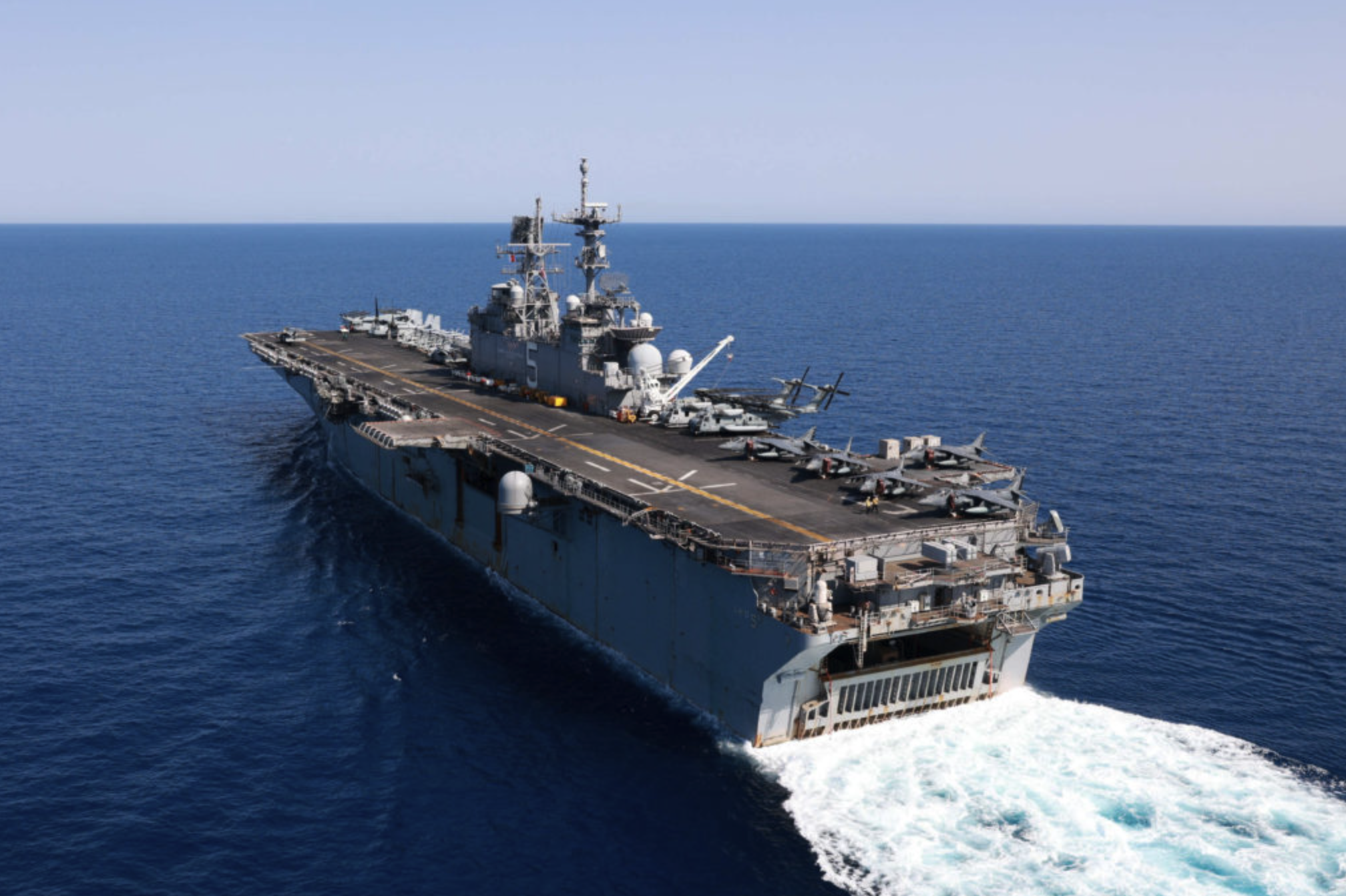
Reuters reported that Iran’s counterproposal, conveyed through Pakistani mediation, calls for a comprehensive end to hostilities, the lifting of sanctions, suspension of restrictions on Iranian oil sales, and removal of the U.S. naval blockade surrounding Iran. The proposal also reportedly includes Iranian demands tied to control of the Strait of Hormuz, one of the world’s most important maritime chokepoints.
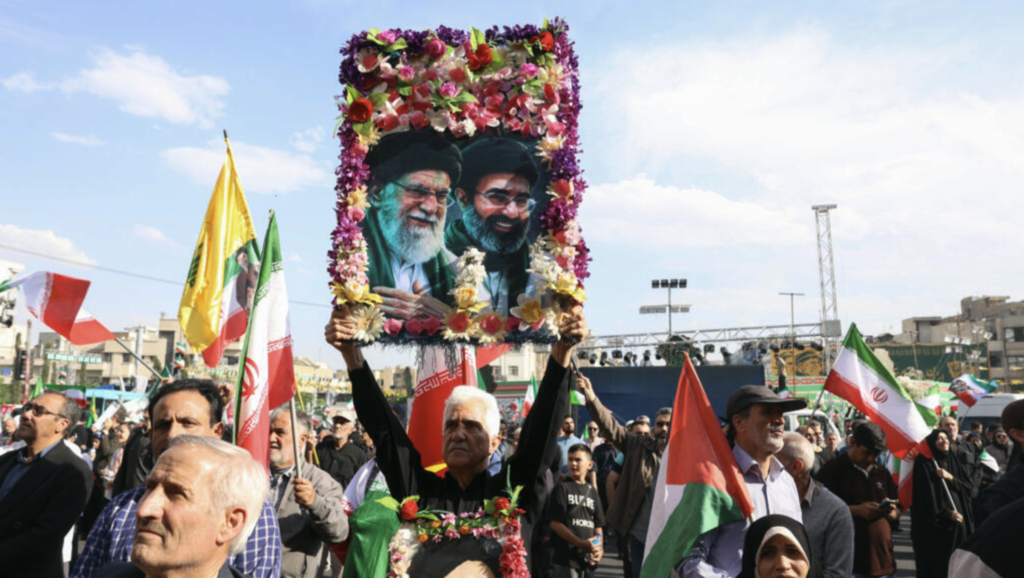
The Iranian position appears to go well beyond a narrow ceasefire. Reports from Iranian and international outlets indicate Tehran is seeking broad sanctions relief, access to frozen funds, an end to military pressure, and guarantees involving the Strait of Hormuz. Some claims circulating on X and through OSINT accounts also state that Iran is demanding full war reparations and total control over the waterway, but those specific terms have not been fully confirmed in public official documents reviewed by Texas News Express. Reuters has confirmed that Tehran’s proposal includes ending the war, lifting sanctions, removing the naval blockade, and addressing control of the strait.
The Strait of Hormuz is not a symbolic issue. The U.S. Energy Information Administration has described it as the world’s most important oil transit chokepoint, with roughly 20% of global petroleum liquids consumption moving through it in recent years. The International Energy Agency reported that nearly 15 million barrels per day of crude oil, about 34% of global crude oil trade, passed through the strait in 2025, with Asian markets especially dependent on those shipments.
The energy shock is already being felt. The International Energy Agency’s March 2026 oil market report said tanker movement through the Strait of Hormuz had nearly halted, disrupting nearly 20 million barrels per day of crude and product exports. Saudi Aramco has shifted some exports through its East-West Pipeline to the Red Sea, but that bypass capacity is limited compared with the volume normally moving through the Gulf.
A major unresolved issue is Iran’s nuclear program. Reports indicate Iran’s latest response does not accept U.S. demands for a broad rollback of its nuclear activities. The Wall Street Journal reported that Iran offered a phased approach, including a short-term enrichment suspension and possible handling of some enriched uranium through a third country, but rejected a long moratorium and dismantling of nuclear facilities. The International Atomic Energy Agency reported in February that Iran had not provided access to several declared enrichment facilities during the reporting period, leaving inspectors without full visibility into key parts of the program.
Trump and U.S. officials have made clear that nuclear limits remain a central American demand. Reporting from Axios and other outlets says Trump rejected Iran’s response after a 10-day wait, while U.S. officials continued to press for a deal that addresses both the war and Iran’s nuclear activities. Iran’s reported reply, however, appears to prioritize ending hostilities and obtaining economic relief before resolving the nuclear file.
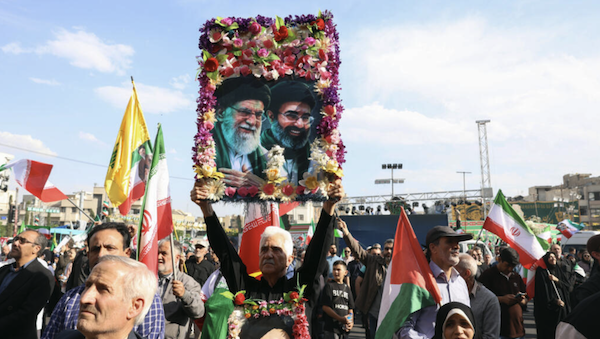
The public messaging from both sides has grown sharper. An Iranian source cited by Tasnim reportedly said Trump’s dissatisfaction with Iran’s response carried “no significance,” arguing that Iran’s negotiators write proposals for the rights of the Iranian people, not to please the U.S. president. Trump, in turn, has warned that Iran’s answer is unacceptable and has suggested the United States could return to military pressure if diplomacy fails.
The American position is also being shaped by regional security concerns. Pro-Israel accounts and advocacy groups have argued that any deal must require Iran to end support for groups such as Hamas and Hezbollah, recognize Israel’s right to exist, stop executions of protesters, limit ballistic missile production, surrender enriched uranium, and give up control over the Strait of Hormuz. Those demands reflect hard-line policy goals circulating in Washington and pro-Israel circles, but they are not all confirmed as formal terms of the U.S. proposal.
The immediate risk is that both sides are using negotiations to restate red lines rather than narrow differences. Iran wants sanctions relief, access to frozen assets, an end to blockades, and recognition of its leverage over Hormuz. The United States wants open navigation, limits on Iran’s nuclear and missile programs, and an end to threats against regional allies and commercial shipping. Those positions leave little room for compromise unless mediators can separate urgent maritime and ceasefire issues from the larger nuclear and sanctions dispute.
For now, the diplomatic track remains alive but fragile. The same waterway that gives Iran leverage also gives the crisis global consequences. A prolonged standoff in the Strait of Hormuz would not only keep military forces on edge; it would continue pressuring oil markets, shipping companies, Gulf states, and consumers far from the Middle East.