The federal government says new roads, cameras and vehicle barriers would improve border security, while critics warn the work could permanently damage one of Texas’ most famous national parks.
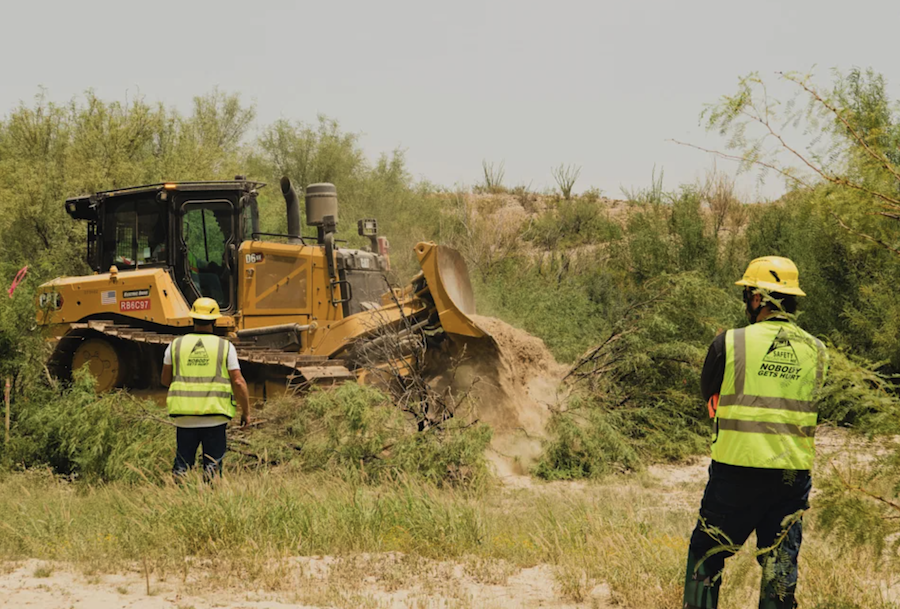
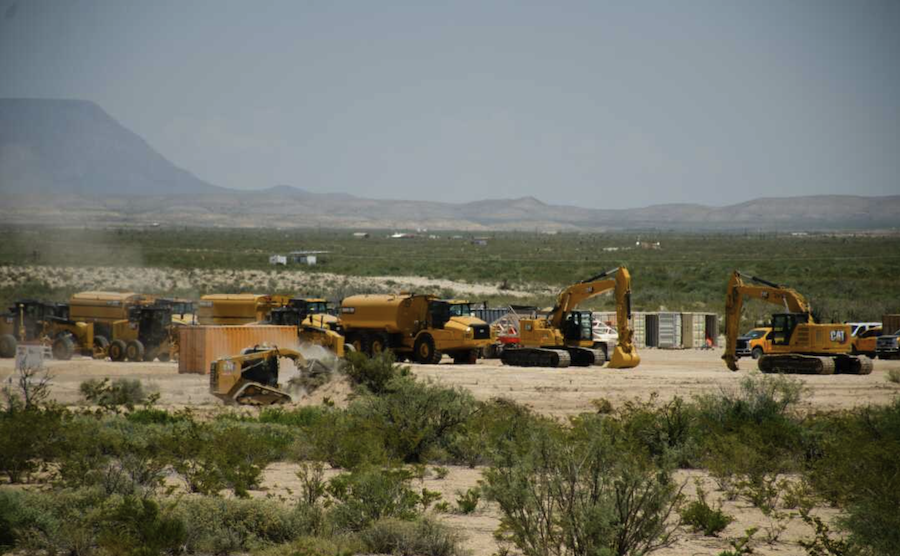
BIG BEND NATIONAL PARK, Texas — New border security work began this month inside Big Bend National Park, bringing heavy equipment and land clearing to areas along the Rio Grande. However, U.S. Customs and Border Protection Commissioner Rodney Scott announced Monday that he had temporarily stopped construction while he visits the park and meets with local officials and other groups. Planning and security reviews will continue during the pause.
The project is part of a much larger federal effort to strengthen the U.S.-Mexico border. CBP says the plan for Big Bend National Park is not the continuous 30-foot-high steel wall used in some other parts of the border. Instead, current plans call for patrol roads, cameras, sensors and lower vehicle barriers in selected locations. The barriers are designed mainly to stop vehicles while allowing officers to monitor remote stretches of the border.
The cost of the larger Big Bend project is significant. CBP awarded a federal contract worth about $1.7 billion in May for work in the Big Bend region. The agency said that contract includes about 17 miles of vehicle barriers and patrol roads and about 205 miles of what it calls “system attributes,” which include roads and surveillance equipment. The entire $1.7 billion is not being spent only inside Big Bend National Park; the contract covers a much larger section of the border region. A separate $4.5 million contract was awarded for environmental and resource monitoring connected to border construction.
The Department of Homeland Security says more security is needed because the Big Bend Border Patrol Sector has been used for illegal crossings and drug smuggling. Federal records show Border Patrol agents apprehended more than 89,000 people entering illegally in the Big Bend Sector between fiscal years 2021 and 2025. During the same period, authorities reported seizing tens of thousands of pounds of marijuana along with cocaine, methamphetamine, heroin and fentanyl. DHS says roads, barriers, cameras and sensors would help Border Patrol detect illegal crossings and respond more quickly in the remote desert.
Supporters also point out that the Big Bend Sector covers hundreds of miles of isolated border where officers can be many miles from the nearest paved road. CBP has already tested advanced surveillance equipment in the region, including autonomous systems that detect movement and send live video to agents. Supporters argue that better roads and technology could give agents greater control of the border without requiring a large wall across every mile.
Critics question whether the size and cost of the project match the current level of illegal immigration in the area. Big Bend is the least busy of the nine Border Patrol sectors along the Southwest border. Border Patrol reported 3,096 apprehensions in the sector during fiscal year 2025, down 74% from 2023. The sector accounted for about 1.3% of apprehensions along the U.S.-Mexico border that year. Critics also note that those numbers cover the entire 517-mile Big Bend Sector, not just the 118 miles of international border inside the national park.
Republican U.S. Sen. John Cornyn of Texas is among those asking the federal government to reconsider parts of the plan. Cornyn has argued that Big Bend’s steep mountains, desert, cliffs and deep canyons already create a powerful natural barrier. Local officials, conservation groups and some Republicans have called for greater use of drones, cameras, fiber-optic sensors and other technology instead of major new construction.
Environmental groups strongly oppose the project. They say new roads and barriers could divide wildlife habitat, disturb archaeological and Native American cultural sites, increase erosion and damage areas that have remained largely undeveloped for generations. Critics are also concerned about lighting and other infrastructure affecting Big Bend’s famous dark skies. Lawsuits have been filed challenging the federal government’s decision to waive environmental protections to speed construction.
Tourism is another major concern. Big Bend National Park attracts hundreds of thousands of visitors who come to hike, camp, watch wildlife, stargaze and travel along the Rio Grande. One of its most unusual attractions is the legal border crossing into the small Mexican village of Boquillas del Carmen. Visitors with passports can leave the United States through the Boquillas Port of Entry, cross the Rio Grande in a small rowboat and spend several hours eating, shopping or touring the village. Tourism is the main industry for Boquillas’ roughly 200 residents.
Unlike a normal international bridge, the Boquillas crossing does not have a full staff of U.S. customs officers sitting at inspection booths. National Park Service employees are present, but travelers returning to the United States communicate with a CBP officer through a virtual inspection kiosk and document scanner. The officer checks the traveler remotely before allowing entry. The unusual system has allowed a legal international crossing to operate in one of the most isolated areas of the country.
For now, visitors planning a Boquillas day trip should not see a change because of the border construction dispute. The National Park Service continues to list the Boquillas Port of Entry as open Friday through Monday from 9 a.m. to 4 p.m., and neither NPS nor CBP has announced that the virtual kiosk will close because of the project. Visitors still need a valid passport book or passport card. They can then take the short rowboat trip across the Rio Grande and must report to Mexican immigration after arriving in Boquillas.
What happens next is uncertain. Scott said construction will remain paused while he personally examines the area and talks with local leaders and other stakeholders. The government could restart the project as planned, change where barriers and roads are built, or rely more heavily on surveillance technology. The debate has created an unusual political divide in which supporters of stronger border enforcement agree on the need for security but disagree over whether major construction inside Big Bend National Park is the best way to achieve it.