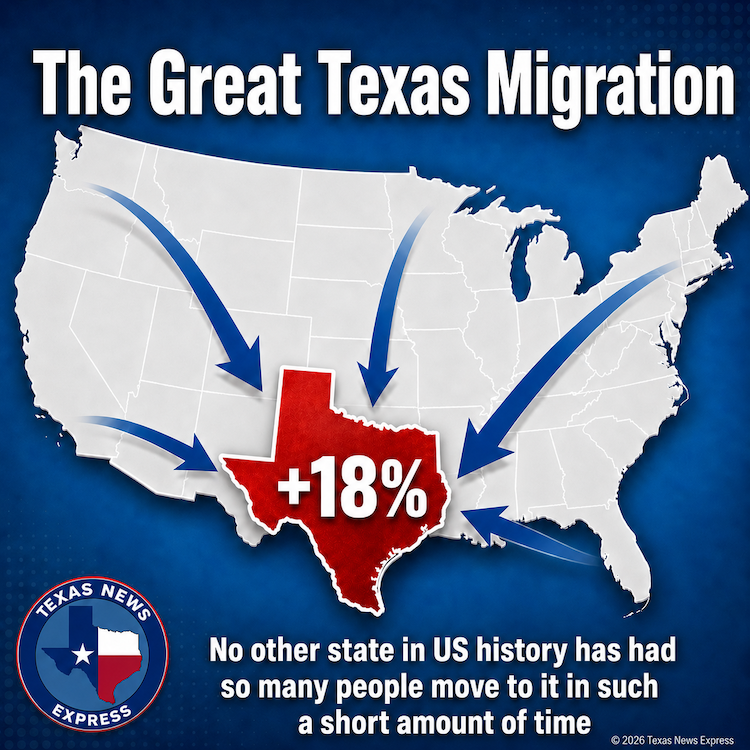
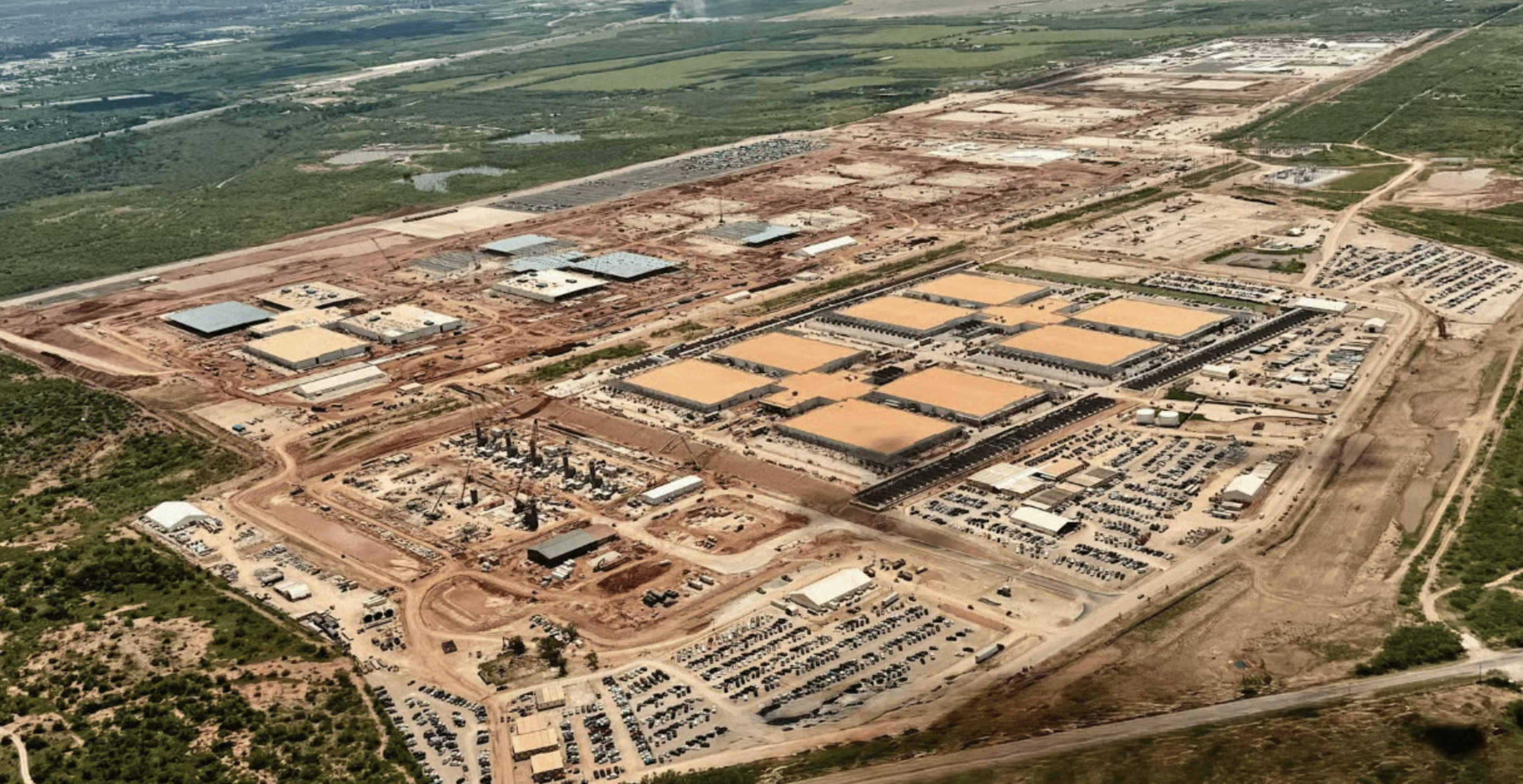
Texas has welcomed billions of dollars in new data center development, but Gov. Greg Abbott is now making it clear that the companies building them will be expected to pay more of their own way. The change comes as residents across Texas raise concerns about rising electricity costs, heavy water use, constant equipment noise and the effect massive data centers could have on small communities. In June, Abbott directed the Public Utility Commission of Texas and ERCOT to take steps to prevent residential customers from paying the infrastructure costs created by new data centers.

Data centers are large buildings filled with computer servers that store information, operate cloud services and increasingly power artificial intelligence systems. They can use enormous amounts of electricity. Texas already passed Senate Bill 6 in 2025, which requires the PUC to create special planning and connection standards for very large electricity users. The law is intended to make sure large projects contribute toward the cost of connecting themselves to the electrical system while reducing the risk that utilities build expensive infrastructure for projects that never fully develop.
The state is going even further. Abbott has directed regulators to require data centers to fully fund the electric infrastructure needed to serve their facilities instead of passing those costs on to residential customers. He also wants data centers to add electricity generation or otherwise help increase Texas’ power supply rather than simply adding enormous new demand to the grid. ERCOT has created a new process called “Batch Zero” that studies large projects of 75 megawatts or more together. The goal is to determine where new demand can safely connect and what transmission improvements would be required before projects receive access to the grid.
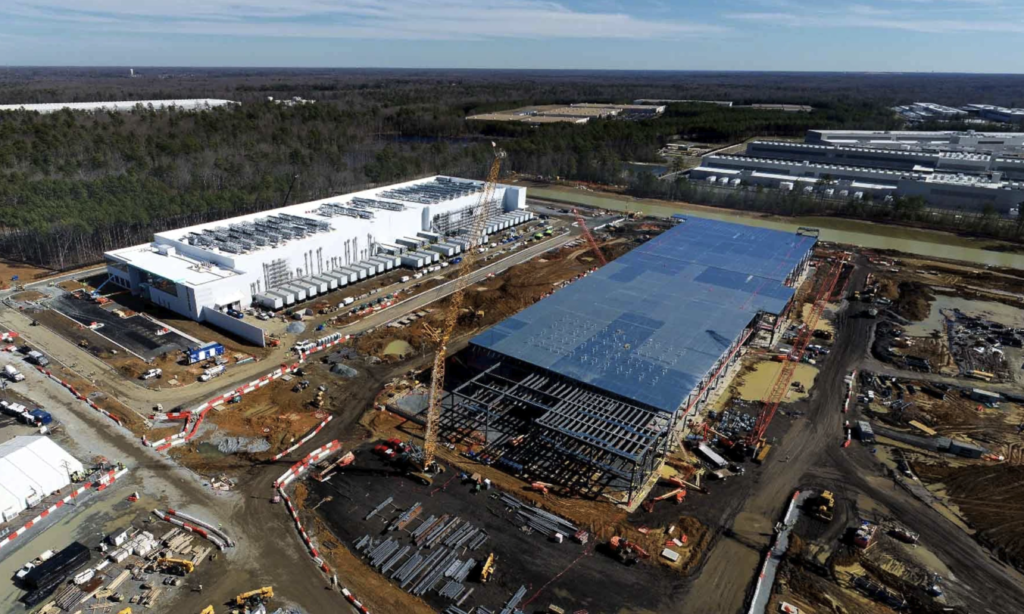
Data center in east Texas nears completion.
Those concerns are already being heard in communities. Texas News Express spoke with residents in the Waco and Madisonville areas who said they are not necessarily opposed to technology companies coming to Texas, but they do not believe homeowners should be asked to help pay for them. Several residents said they believe electricity customers are seeing higher costs while utilities prepare for the huge amount of new generation, transmission lines and substations that data centers could require.
Robert Hurston, who lives just outside Waco, told Texas News Express, “I don’t mind if the data centers come as long as they are good community members, don’t overuse water and other resources, keep the noise down, and pay their own way for getting electricity, but it seems like they want as much for free as possible and the county just wants to give it to them thinking future tax revenue will somehow fix the drain on our water, the noise, etc.”
Hurston’s concerns are similar to complaints being raised elsewhere in Texas. Residents near proposed projects have organized against developments because of electricity demand, water use, noise and their possible effect on rural areas. Near Waco, residents organized opposition to a proposed data center near Lacy Lakeview, gathering thousands of petition signatures. Statewide, more than 248 data center projects had been proposed as of June, according to reporting based on state information. At the same time, state officials have struggled to determine exactly how much water the industry is using because fewer than one-third of companies contacted for a state water-use survey responded.
Water has become one of the biggest issues. Some data centers use large amounts of water to remove heat from computer equipment, something that can become especially controversial in communities already worried about drought and future water supplies. Abbott says he wants future state law to require new data centers to use more water-efficient systems, including closed-loop cooling systems that reuse water instead of constantly drawing additional supplies. He also wants large data centers to report their electricity and water use every year so Texas can better plan for future demand.
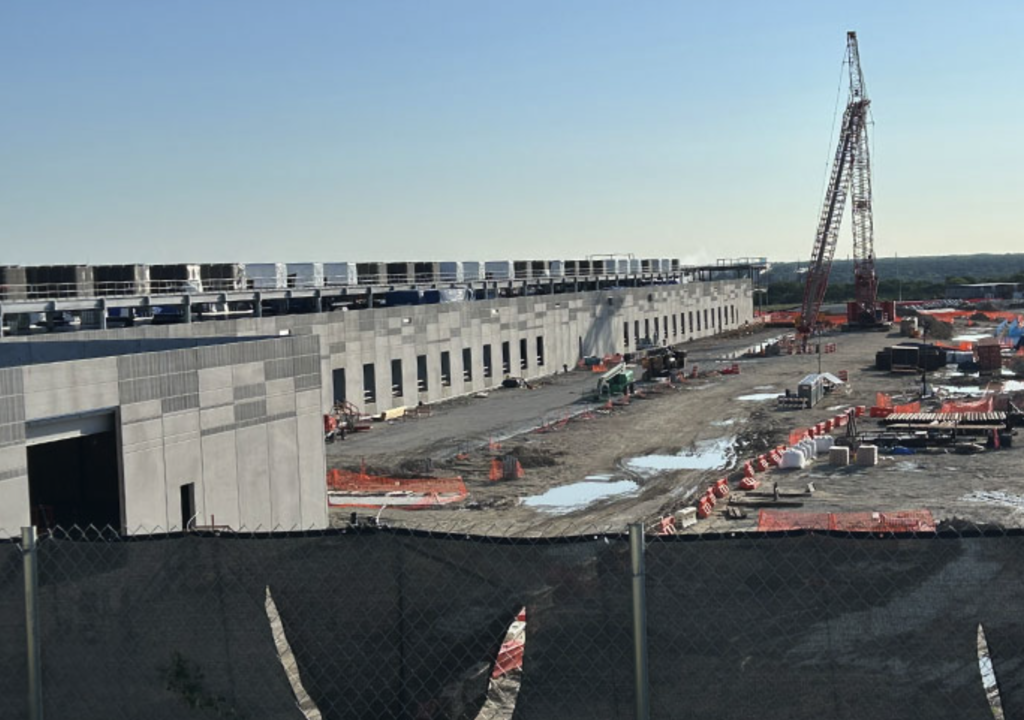
Data Center construction in Texas is leading the nation.
Noise is another complaint that is becoming harder for developers to ignore. Data centers can operate thousands of cooling fans, pumps, chillers, backup generators and other equipment around the clock. Abbott has said future rules should include measures such as greater setbacks from homes and noise-reduction technology. The governor demonstrated how serious the state has become in July when a proposed data center near Cedar Creek Lake in Henderson County was withdrawn. Abbott said the project did not meet the standards Texas now expects involving communities, natural resources and the power grid.
Shelly Thomas of Abilene told Texas News Express she believes one solution is simply putting these enormous facilities farther away from neighborhoods. “Why don’t they go build out in the middle of nowhere close to a natural water source, that way they won’t bother anyone?” Thomas said. Her question reflects a growing debate in Texas: The state wants the jobs, investment and technology that data centers bring, but residents increasingly want more control over where they are built and how much pressure they put on local resources.
Texas does not appear interested in stopping the data center boom. The state is continuing to invest in new electrical generation, including new natural-gas power plants backed by the Texas Energy Fund. But the message coming from Austin has changed. Texas still wants data centers, but Abbott now says they must protect local water supplies, reduce neighborhood impacts, help strengthen the electric grid and pay the costs they create. For residents worried about becoming unwilling financial partners in billion-dollar technology projects, the most important part of that policy may be simple: If a data center needs a new substation, transmission line or other equipment to operate, state leaders say Texas families should not be stuck with the bill.