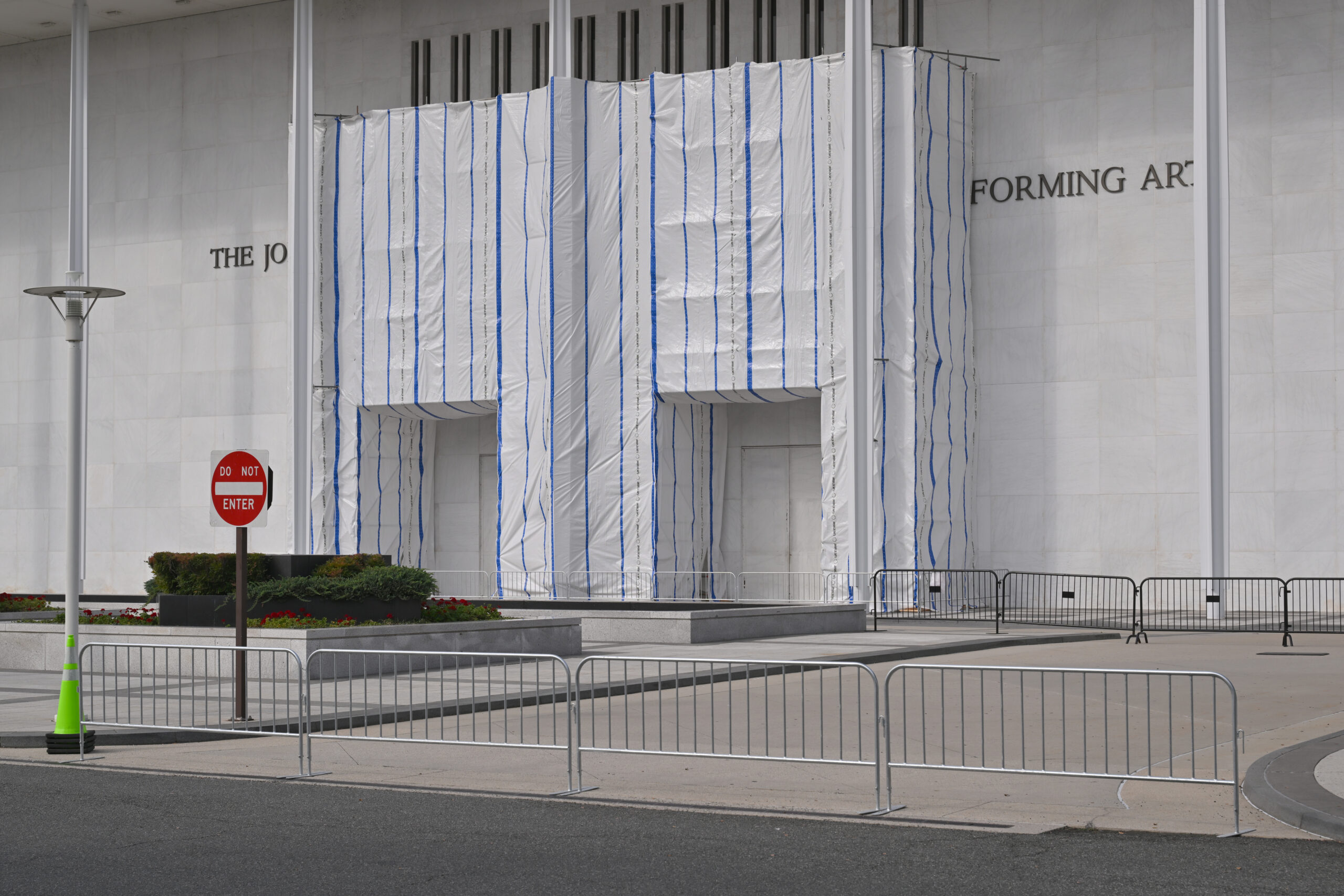
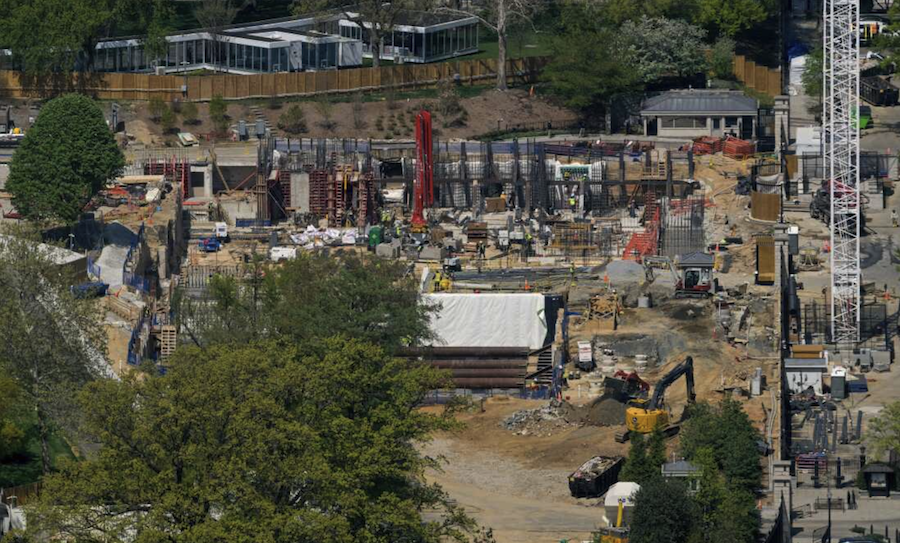
The decision clears a major legal obstacle for the $400 million project, but the justices did not decide whether President Trump had the legal authority to build it without approval from Congress.
WASHINGTON The U.S. Supreme Court ruled 5-4 Monday that construction can continue on President Donald Trump’s planned White House ballroom. The project calls for a new 90,000-square-foot building on the site of the former East Wing. The ruling is an important victory for the Trump administration, but the Supreme Court did not decide whether the ballroom itself is legal.
The case was brought by the National Trust for Historic Preservation, which argued that Trump could not make such a major change to the White House without approval from Congress. Lower courts had agreed with parts of that argument and moved to stop above-ground construction. The Trump administration asked the Supreme Court to step in before that order could take effect.
In its unsigned decision, the Supreme Court said the preservation group had not shown the type of direct personal harm needed to bring the lawsuit. That is known as legal standing. Because the case failed on that issue, the court did not answer the larger question of whether a president can build a major addition to the White House without congressional approval.
Chief Justice John Roberts joined the court’s three liberal justices in dissent. Roberts had temporarily allowed construction to continue earlier in August while the full court considered the case. In Monday’s decision, he argued that the project was likely unlawful because Congress normally controls federal spending and major changes to federal property.
Others support President Trump’s new ballroom saying the White House complex needed an overhaul of emergency systems and keeps the American image and protection at the highest level of standards, protection and functional use. Texas News Express talked Brian Ballmer of Alexandria Virginia who said, “the East Wing in general, and the underground protection systems were old and outdated for the new threats America faces, regardless of which party or president is in power, so it need to be done.”
Trump has strongly defended the ballroom. The administration says the White House needs a much larger indoor space for state dinners and other official events. Officials have also argued that the larger construction project includes important security improvements, including underground facilities. Trump has described the ballroom as something future presidents will be able to use for generations.
Critics say the project is too large and should have gone through Congress before construction began. They also objected to the demolition of the East Wing, which had been part of the White House complex for decades. Preservation groups argue that major changes to one of the nation’s most important historic properties should receive more public review.
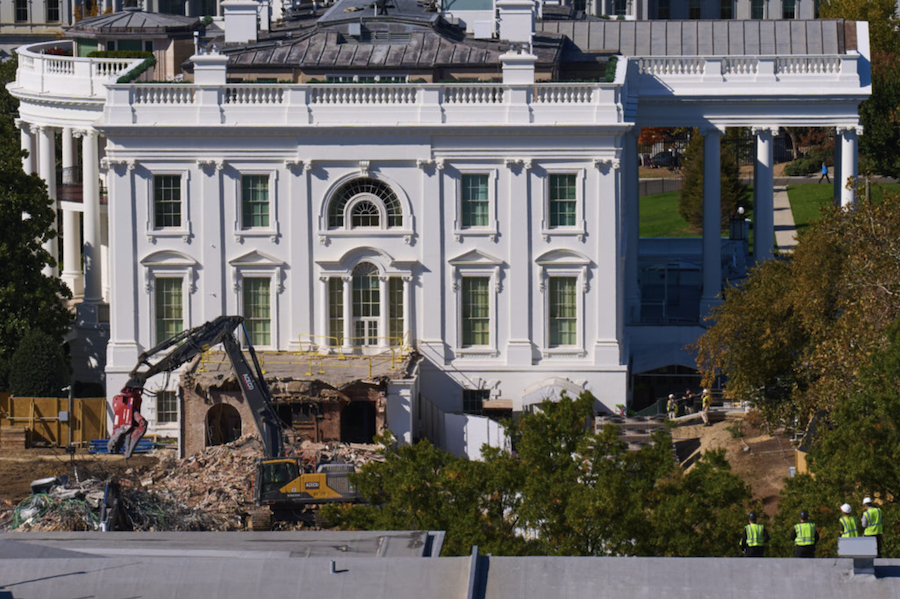
The East Wing of the White House in Washington, D.C. has been demolished to make way for a new larger East Wing and upgraded underground protection systems.
The ballroom has also created a debate over its cost. Trump and the White House have described the ballroom itself as a roughly $400 million project supported mainly by private donations. However, documents obtained by The Washington Post showed that a contractor had estimated the larger East Wing construction project at about $600 million, with some government money expected to pay for security-related work. The White House says taxpayer funding is being used for security improvements rather than construction of the ballroom itself.
Private donations have raised another concern. Companies including major technology and defense businesses have contributed to the project, according to information released by the White House and outside groups. Critics say donations from companies that also do business with the federal government could create the appearance of a conflict of interest. The administration says the donors are helping pay for an important public project and rejects claims that the contributions buy special treatment.
Construction has already moved quickly. The East Wing was demolished before much of the court fight was finished, and work on the new structure continued during several stages of the legal battle. The current schedule calls for the building’s main framework to be completed later this year, with the entire project expected to take considerably longer.
Monday’s ruling means the administration can continue building without the immediate threat of the National Trust lawsuit stopping the project. It does not create a broad Supreme Court ruling saying presidents have unlimited authority to change the White House. The larger constitutional question about how much control a president has over major construction at the executive mansion could return to the courts in another case with plaintiffs who can show they have legal standing.
For Trump, the decision removes the most serious legal threat so far to one of his largest changes to the White House complex. Supporters see the ballroom as a long-needed addition that will improve security and provide better space for major events. Opponents see it as an expensive change to a historic building that should have required approval from Congress. The Supreme Court’s 5-4 ruling allows the construction to move ahead, but it leaves that larger debate unresolved.