President Donald Trump has formally invoked executive privilege in the growing legal battle over the John F. Kennedy Center for the Performing Arts in Washington, D.C. The move could prevent Democratic Rep. Joyce Beatty from obtaining certain documents and testimony about Trump’s role in plans to close the center for up to two years for renovations. The dispute raises important questions about presidential power, government transparency, and who has the authority to make major decisions about one of the nation’s best-known cultural institutions.
Trump Seeks to Keep Kennedy Center Discussions Private
On October 14, 2026, Deputy White House Counsel Joshua Hoyt informed a federal court that Trump was invoking presidential communications privilege. This form of executive privilege can protect certain private communications between a president and people who advise him.
According to court filings reported on October 15, the administration argues that the protection covers discussions between Trump, his advisers, and Kennedy Center employees about his responsibilities and the institution’s operations. The claim may extend to advisers who do not work directly for the federal government.
The move comes as Beatty continues her lawsuit challenging decisions made by the Kennedy Center’s board of trustees, which Trump chairs. Her legal team wants access to information about the center’s finances, renovation plans, possible demolition, and Trump’s involvement in decisions about the institution.
The court has not yet issued a final ruling on the latest privilege claim.
What Is Executive Privilege?
Executive privilege is a legal principle that allows a president to keep certain communications confidential. It is intended to help presidents and their advisers discuss sensitive issues openly without every conversation becoming public.
However, the privilege is not unlimited. Courts can examine whether a claim is legally justified, and the protection does not automatically apply to every conversation involving a president.
The Kennedy Center case presents a particular challenge because Trump is involved in the dispute in more than one role. He is the president of the United States, but he is also the chairman of the Kennedy Center’s board.
The administration argues that Trump has official responsibilities connected to the institution, including authority under federal law to appoint trustees. It says that evaluating the center’s management and the conduct of its board members can fall within his presidential duties.
Beatty’s lawyers dispute the breadth of that argument. They contend that the administration cannot automatically shield conversations about the center simply because Trump took part in them.
The court must consider whether the communications in question relate to Trump’s presidential responsibilities and whether the privilege can properly cover discussions involving a cultural institution outside the executive branch.
Why Joyce Beatty Is Challenging Trump
Beatty, a Democrat from Ohio, serves on the Kennedy Center’s board because of her position in Congress. She filed her lawsuit in 2025 after Trump and his allies moved to reshape the institution’s leadership and management.
Trump replaced members of the board with his chosen appointees, and the new board elected him chairman. The institution subsequently became involved in a dispute over adding Trump’s name to the building and plans to close the center for extensive renovations.
Beatty argues that the board must follow the laws governing the Kennedy Center and carry out its responsibilities with proper care and independence. Her lawsuit challenges decisions she believes exceed the board’s legal authority.
A major part of the case concerns whether the board can close the center for an extended period without adequately considering the effects on its finances, performances, employees, and public mission.
Her legal team says access to relevant records and testimony is necessary to test the administration’s explanation for its decisions.
In court filings, Beatty’s lawyers have also challenged what they describe as overly broad attempts to withhold information. They argue that the government should not be able to use selected communications to support its position while preventing the opposing side from examining those same discussions.
The Administration’s Defense
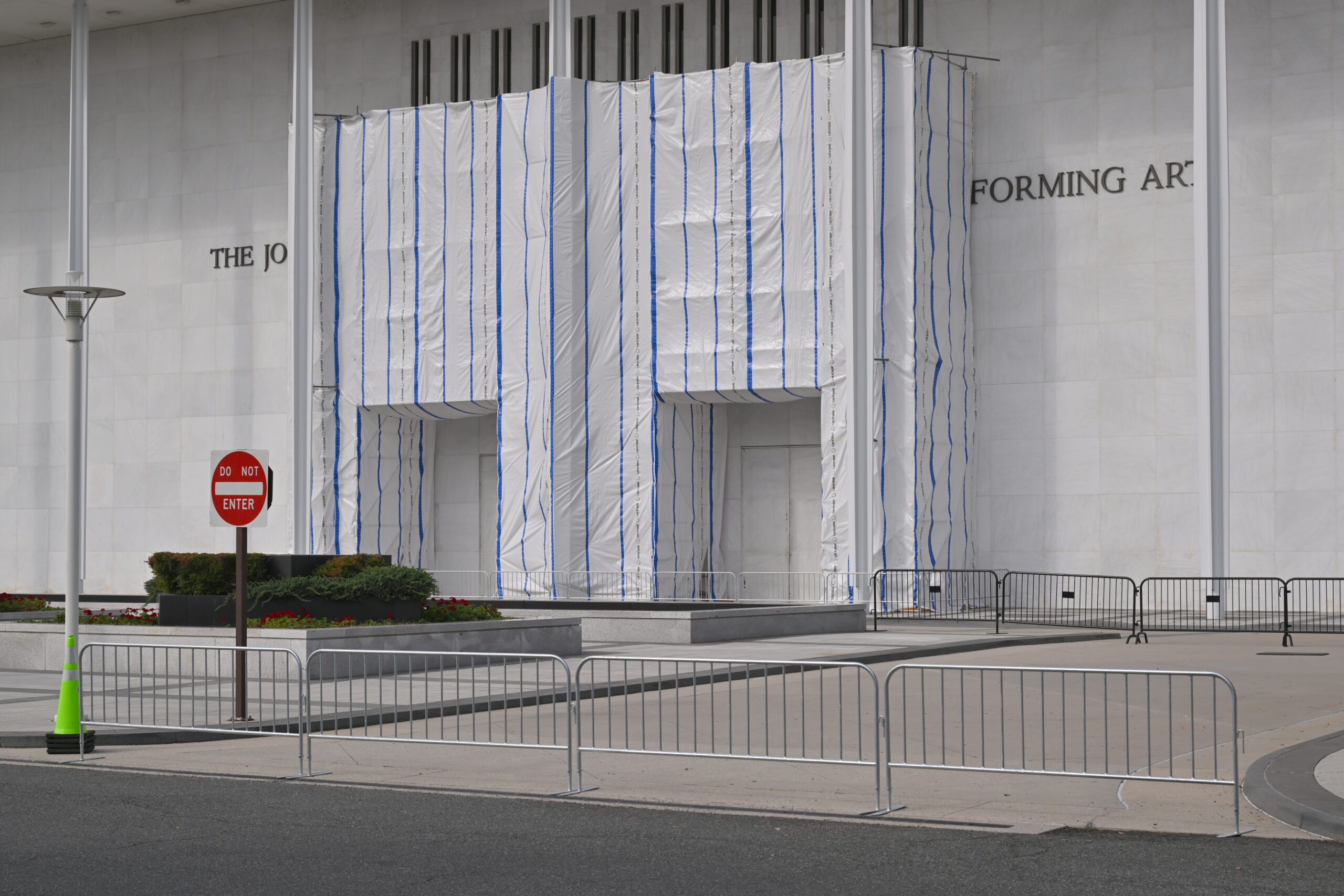
The Trump administration maintains that the board has a legitimate reason to pursue renovations and address the building’s condition.
Officials have pointed to concerns about structural deterioration and the costs and practical challenges of operating the center while major repairs are underway. The administration argues that closing the institution temporarily could allow the work to proceed more efficiently and address safety concerns.
The administration has also argued that Beatty has received substantial information during the legal process. In its October 14 court filing, it said she had obtained more than 7,500 pages of documents, participated in five depositions, and received responses to 44 requests for admission.
The government contends that the evidence already available is sufficient for the judge to evaluate whether the board acted properly. It argues that the court can decide whether the closure was justified by examining the information the board considered before voting, without requiring disclosure of every conversation involving Trump and his advisers.
These arguments form part of the administration’s effort to persuade the court to lift restrictions on the closure plan and rule in its favor.
Why Critics Question the Privilege Claim
Legal experts have questioned whether presidential communications privilege can extend as far as the administration proposes.
The Washington Post reported on October 9 that some legal scholars view the claim as unusual because the Kennedy Center operates outside the executive branch. Although the institution was established by Congress and receives federal support, it is not simply another White House office.
Jonathan Shaub, a University of Kentucky law professor and former Justice Department lawyer, told the newspaper that the privilege depends on whether Trump was acting as president or in another capacity.
Mark Rozell, a George Mason University professor who studies executive privilege, also criticized the claim, describing it as lacking an established historical precedent for a president acting in a separate institutional role.
These are the experts’ assessments, not a final legal determination. The administration maintains that Trump’s statutory responsibilities concerning the Kennedy Center give him an official presidential role in its operations.
The dispute also raises questions about fairness in the legal process. Beatty’s lawyers argue that if the administration relies on communications to explain or defend the board’s actions, it should not be allowed to block all meaningful examination of those discussions.
The administration, meanwhile, says the case can be decided using existing evidence and that confidential presidential communications deserve protection where the law permits it.
Previous Court Rulings Have Complicated the Renovation Plans
The executive privilege dispute is only one part of the larger legal fight.
On May 29, 2026, U.S. District Judge Christopher Cooper ruled that the Kennedy Center’s governing law did not authorize the board to rename the institution after Trump. The judge ordered that Trump’s name be removed from the building’s exterior and also restricted the board’s initial plan to close the center for renovations.
The judge did not prohibit all future renovation plans. Instead, he said the board had to meet its legal responsibilities and make a properly considered decision.
The administration appealed the ruling, but an appeals court panel declined to restore Trump’s name to the building while the appeal proceeded.
The dispute over the center’s name continued alongside the debate over its future operations.
In September, the board voted to pursue a closure lasting up to two years for a renovation project reported to cost approximately $257 million. Beatty challenged the move, arguing that it conflicted with the earlier court order.
On September 17, Judge Cooper ordered the administration to provide at least 30 days’ notice before taking steps to demolish the Kennedy Center. The order followed public comments by Trump about the possibility of the building being torn down.
The administration has said the center needs repairs, while Beatty’s legal team has questioned whether the proposed closure is consistent with the court’s earlier restrictions.
What Happens Next in Court?
The immediate issue is whether the judge will accept the administration’s executive privilege claim and, if so, how broadly the protection will apply.
The ruling could determine whether Beatty can question Kennedy Center officials about discussions involving Trump, his advisers, the center’s finances, and the renovation plans.
The court is also considering the administration’s request to lift the earlier restriction on closing the institution. That request is separate from the question of whether particular communications must remain confidential, although the two disputes affect the same broader case.
The administration says the existing evidence supports its position that the board acted appropriately. Beatty’s legal team argues that it needs additional records and testimony to challenge that account.
As of October 15, 2026, the court had not issued a final decision on Trump’s latest executive privilege claim.