The 2026 FIFA World Cup is doing more than filling stadiums and bringing international soccer to American cities. It is also giving foreign visitors a firsthand look at ordinary life in the United States — and many of them appear surprised by what they are finding.
Across TikTok, Instagram, YouTube and X, visiting fans have posted enthusiastic reactions to American restaurants, supermarkets, highways, customer service, neighborhoods and everyday hospitality. Some have said Americans are friendlier than they expected. Others have described feeling more comfortable and safer than the image they had formed before arriving. YouTuber Tobi Harms explains it well in his video.
The posts have become one of the tournament’s most visible side stories. Foreign fans have filmed themselves trying barbecue in Kansas City, discovering Waffle House, Buc-ee’s, ranch dressing, free drink refills and oversized grocery stores. Others have focused less on food and more on conversations with strangers, invitations from local residents and the willingness of Americans to offer directions, recommendations or help.
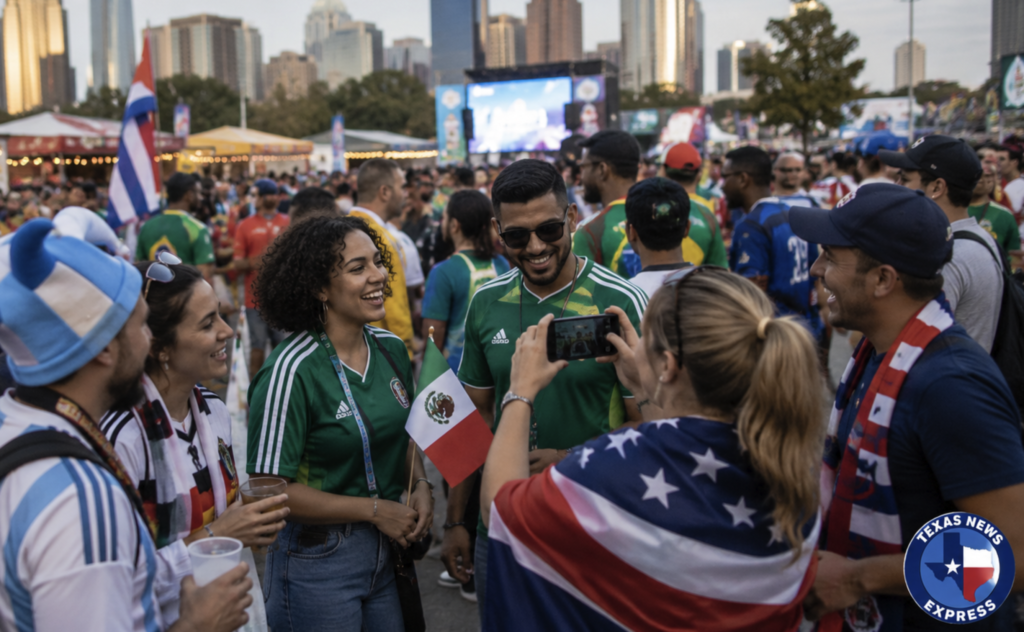
Reuters documented Argentine fans in Kansas City sampling local barbecue and engaging in a friendly cultural comparison with their own asado tradition. Other widely shared videos have shown Scottish, German, Japanese and Scandinavian visitors reacting positively to American customs and hospitality.
The trend is giving the United States a kind of international exposure that government advertising campaigns rarely achieve.
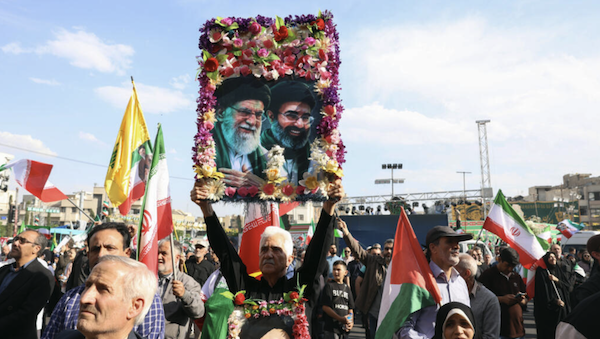
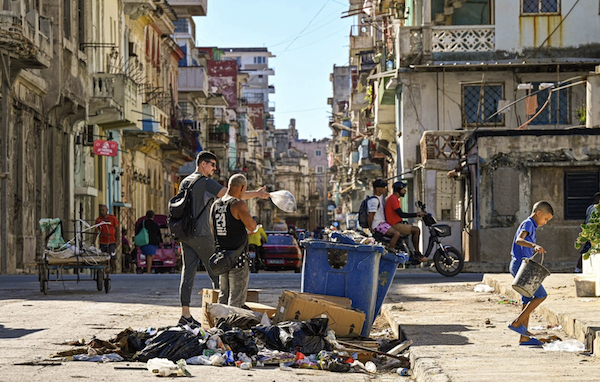
Foreign news coverage of America often centers on presidential politics, mass shootings, crime, immigration, racial conflict, protests and foreign policy. Those are legitimate subjects, but they are not a complete picture of daily life in the country.
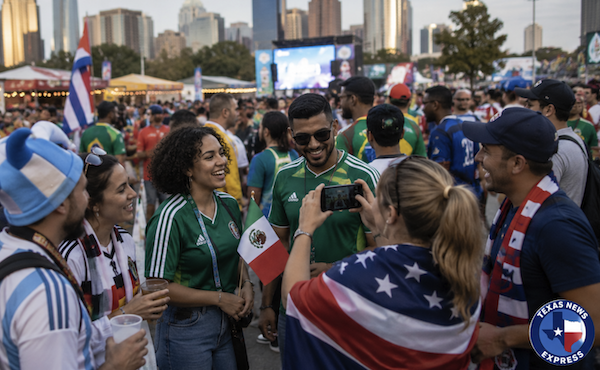
World Cup visitors are now broadcasting a different picture directly to audiences at home: families tailgating together, restaurant workers welcoming tourists, strangers exchanging team scarves, fans from rival countries sharing food and neighborhoods embracing visitors.
That kind of personal contact can influence national reputation in ways that official statements cannot.
International-relations scholars often describe this as soft power — the ability of a country to shape attitudes through culture, values, tourism and personal experience rather than through military or economic pressure. Major sporting events can provide countries with an opportunity to display themselves to the world, although researchers also caution that the benefits are often difficult to measure and can be exaggerated.
The timing may be important for the United States.
A 2025 Pew Research Center survey found that roughly half of adults across the countries surveyed viewed the United States favorably. Pew also found that American favorability had declined in several countries, even though the United States remained more positively viewed than China across the surveyed nations.
The World Cup will not erase political disagreements or change international opinion by itself. But it can complicate the picture.
A visitor who arrives expecting hostility and instead experiences kindness may return home with a different story. A fan who sees only American violence or division in television reports may post footage of clean neighborhoods, packed restaurants and families celebrating peacefully together.
Those personal accounts can be persuasive because they come from fellow citizens rather than American officials.
The United States also has an advantage as a host because it is unusually varied. Fans traveling between games may encounter Texas barbecue, East Coast cities, West Coast beaches, suburban shopping centers, rural highways and neighborhoods shaped by immigrant communities from around the world.
For many visitors, the country may feel more familiar and more international than they expected. In cities such as Houston, Los Angeles, New York, Dallas and Miami, visitors can often find people who speak their language or share connections to their home country.
The tournament has also created scenes of cultural exchange rather than one-way promotion. International fans are bringing their own songs, foods, clothing and traditions into American public spaces. Scottish supporters have played bagpipes, Argentine fans have prepared asado, and supporters from multiple countries have joined local tailgates and fan festivals.
That exchange may help Americans as much as it helps visitors. It allows local residents to meet people they might otherwise know only through news coverage or stereotypes.
Still, the viral praise requires some caution.
Social media rewards dramatic, emotional and flattering content. Positive reaction videos can attract large American audiences, giving creators an incentive to produce more of them. Some posts may be exaggerated, staged or designed primarily to gain followers.
The most cheerful videos also do not represent every visitor. Other fans have complained about expensive tickets, high hotel prices, visa difficulties, limited public transportation and the long distances between host cities. Reuters reported that international travel demand connected to the tournament was weaker than some airlines and hotels had expected, partly because of cost and logistical concerns.
There are also genuine security concerns surrounding any event of this size. A positive personal experience does not mean crime or safety problems do not exist, just as frightening news coverage does not mean the entire country is dangerous.
The most reasonable conclusion is that the World Cup is allowing visitors to compare expectations with reality for themselves.
For many of those posting online, the result appears to be a more favorable impression of Americans and everyday life in the United States. Their videos are reaching friends and followers who may never have visited the country and who normally see America mainly through political or crisis reporting.
That may be the tournament’s most lasting public-relations benefit.
The United States is not being presented as perfect. It is being presented as normal, complicated, welcoming and often more enjoyable than some visitors expected.
For a country whose international image is frequently shaped by its loudest controversies, the World Cup is creating millions of smaller stories — meals shared, directions given, friendships formed and assumptions reconsidered.
Those stories may not settle political arguments. But they are showing the world parts of America that rarely lead the evening news.