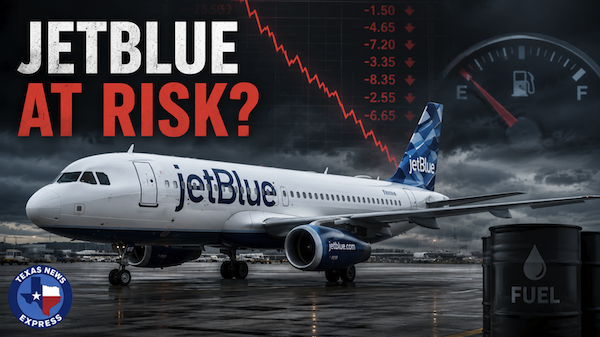
JetBlue Airways is not in bankruptcy. Its executives say they are not planning to file. But after three straight years of heavy losses, higher fuel prices in 2026 due to the Iranian military crisis, a deeper credit downgrade and a shrinking margin for error, the question is no longer unreasonable: could JetBlue be the next U.S. airline forced into Chapter 11?
The airline’s financial trend is troubling. JetBlue reported a net loss of $310 million in 2023, $795 million in 2024 and $602 million in 2025. That means the airline lost about $1.7 billion over three years, even before the latest fuel-price pressure fully hit the industry.
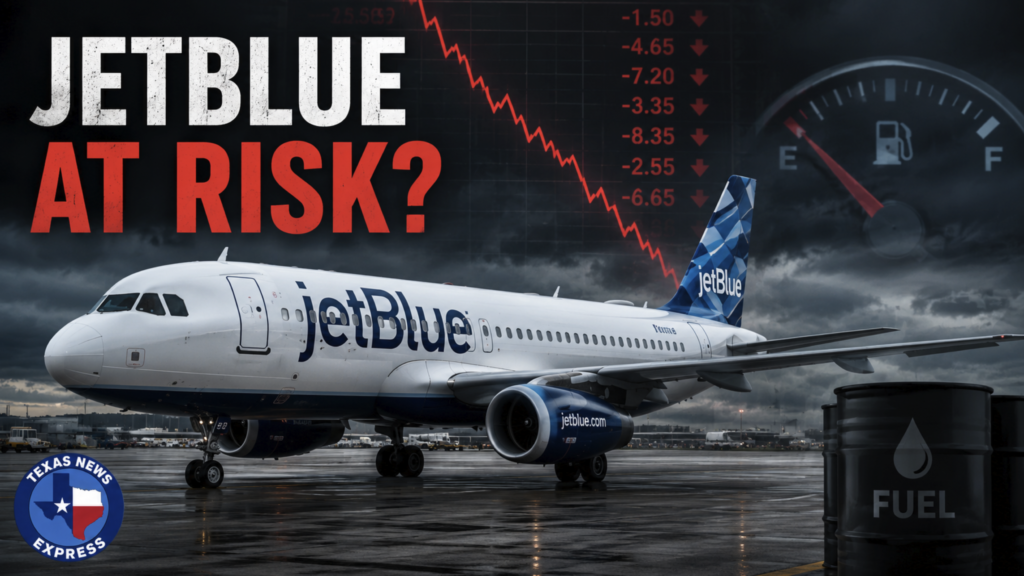
JetBlue entered 2026 trying to execute a turnaround plan built around cost control, route changes, premium revenue, loyalty growth and better aircraft utilization. But the company’s recovery has been hit by the same problem squeezing every carrier: jet fuel. Fuel is one of the largest expenses for any airline, and when prices spike, weaker carriers with less financial flexibility feel the pressure first.
That is why JetBlue now looks more vulnerable than the three legacy carriers — Delta, United and American.
Delta, United and American still face fuel pressure, labor costs and debt. But they also have something JetBlue does not have at the same scale: enormous non-flying revenue streams tied to loyalty programs and co-branded credit cards. Delta’s partnership with American Express produced $8.2 billion in remuneration in 2025. American reported $6.2 billion in cash payments from co-branded credit card and other partners in 2025. United has also continued to push MileagePlus deeper into its credit-card ecosystem.
Those programs do not eliminate fuel pain, but they help cushion it. They give the legacy airlines recurring cash flow that is less directly tied to whether a passenger bought a seat on a specific flight. JetBlue has its own TrueBlue loyalty program and Barclays credit card partnership, but it does not have the same scale, reach or financial power as the legacy carriers’ loyalty businesses.
That difference matters in a high-fuel environment.
In June, S&P Global downgraded JetBlue deeper into junk territory, cutting its rating to CCC+. The downgrade reflected concerns that high fuel prices were undermining the airline’s recovery. S&P said it no longer expected JetBlue to generate positive free cash flow until 2028 and projected leverage of about 10 times EBITDA by the end of 2027. Fitch had already downgraded JetBlue to CCC+ in April.
A CCC+ rating does not mean bankruptcy is inevitable. But it does signal elevated credit risk. It can also make borrowing more expensive at the exact time an airline may need more liquidity.
JetBlue has raised money. The airline secured $500 million in aircraft-backed debt financing, with the possibility of another $250 million. That gives JetBlue breathing room. It also shows that management is actively trying to protect liquidity. But new debt can only buy time if the core business improves. No matter what JetBlue does to move the money pieces around the chess board, cash is still king and no matter how well the rest of the airline might be doing, with out cash, it will be forced into bankruptcy, most likely restructuring, not liquidating like Spirit Airlines.
Spirit Airlines’ collapse may help JetBlue in some markets. Spirit’s exit removed a major low-fare competitor, especially in overlapping areas such as Fort Lauderdale, New York, Boston, Orlando and parts of the Caribbean and Latin America. JetBlue moved quickly to expand at Fort Lauderdale and add routes after Spirit shut down.
That could improve JetBlue’s load factor and pricing power on certain routes. The problem is that the benefit may not be broad enough to solve the airline’s deeper financial issues.
Spirit customers were highly price sensitive. They often chose Spirit because it was cheap, not because they wanted a better onboard product. JetBlue customers, by contrast, expect more: seatback screens, free Wi-Fi, better legroom, snacks, a more polished cabin experience and generally a higher-quality hard product. That costs money.
If former Spirit passengers refuse to pay enough of a fare premium, JetBlue may gain passengers but not enough profit. If fares rise too much, some of those travelers may simply not fly, drive instead or choose Frontier, Allegiant, Breeze or another lower-cost carrier.
There is evidence that Spirit’s disappearance has pushed prices higher. Fare analyses after Spirit’s pullback or collapse showed increases on routes where the ultra-low-cost carrier exited, and industry data has pointed to meaningful fare increases in overlapping markets. Higher fares are good for JetBlue’s revenue, but they also create a test: can JetBlue capture enough former Spirit demand without losing the most price-sensitive travelers?
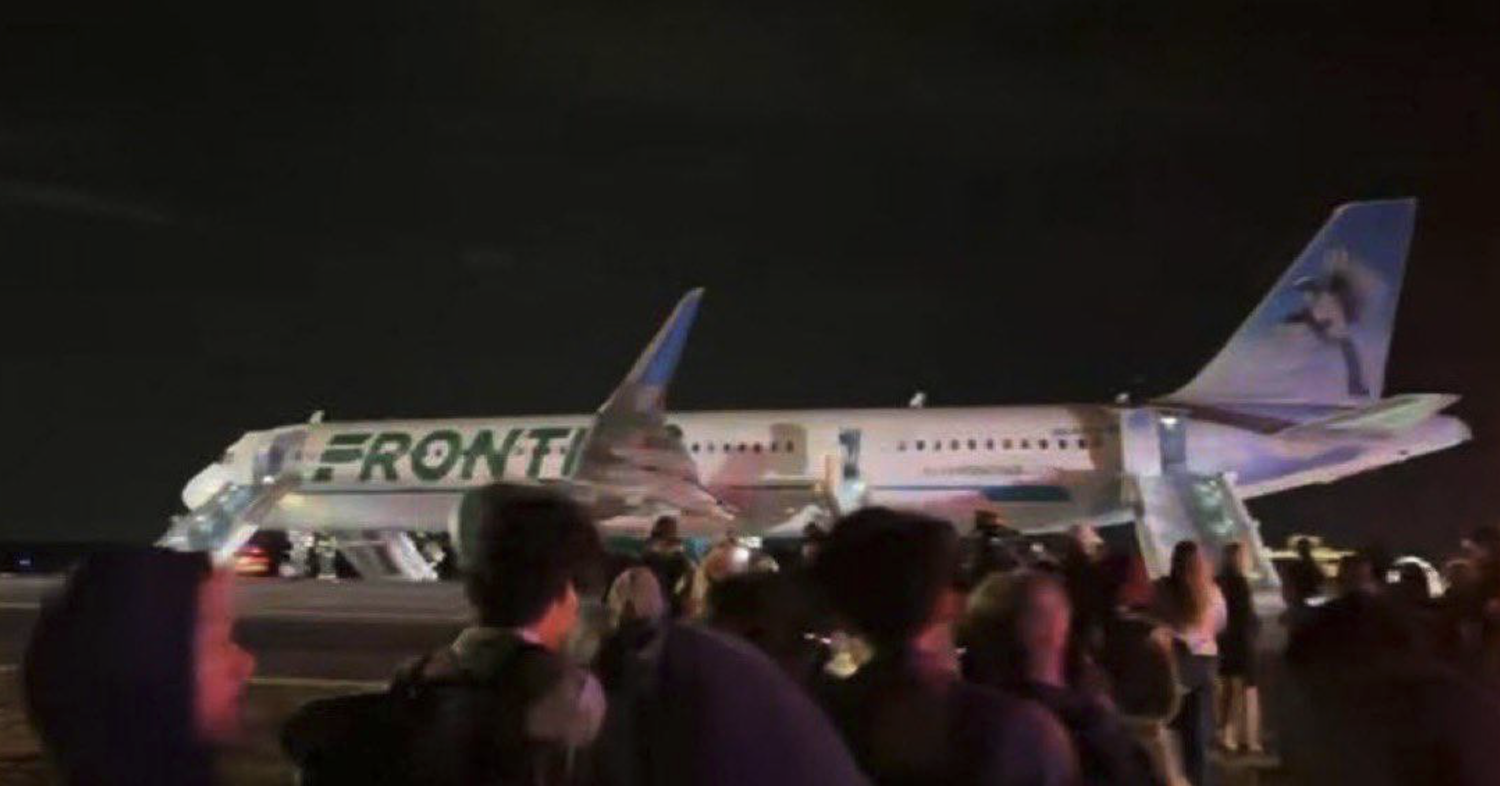
Frontier Airlines is also under pressure, but its risk profile looks different. Frontier reported a $137 million net loss in 2025, but it had been profitable the year before. JetBlue, by contrast, has posted three consecutive annual losses. Frontier also has a simpler ultra-low-cost model and has been cutting, deferring and returning aircraft to reduce risk. That does not make Frontier immune, but it makes JetBlue’s sustained losses stand out.
The bear case for JetBlue is straightforward. The airline is losing money, fuel prices are high, credit ratings are weak, borrowing costs may rise, free cash flow may remain negative for years, and the company lacks the massive loyalty and credit-card engine that helps the legacy carriers absorb shocks. If fuel stays elevated and the turnaround fails to deliver quickly, Chapter 11 could become a tool to restructure debt, aircraft obligations and costs.
The bull case is also real. JetBlue still has a strong brand, valuable positions in New York, Boston and Fort Lauderdale, a premium leisure customer base, a loyalty program that is growing, and routes that may benefit from Spirit’s exit. Its CEO has said the airline is not considering bankruptcy in 2026, and S&P’s stable outlook assumes JetBlue will keep adequate liquidity and avoid a default or restructuring over the next year.
That is why the best answer is not that JetBlue is definitely going bankrupt. It is that JetBlue has moved into a danger zone where bankruptcy speculation is no longer just internet noise.
If fuel prices ease, Spirit’s exit improves fares, Fort Lauderdale becomes a stronger hub and JetBlue’s turnaround produces sustained margins, the airline could avoid Chapter 11 and emerge as a leaner competitor.
If fuel stays high, losses continue and access to capital tightens, JetBlue could become the next major test of whether a mid-sized U.S. airline can survive without the financial firepower of the legacy carriers or the bare-bones cost structure of an ultra-low-cost airline.
For now, JetBlue is still flying. But it is flying with less room for error than it has had in years.