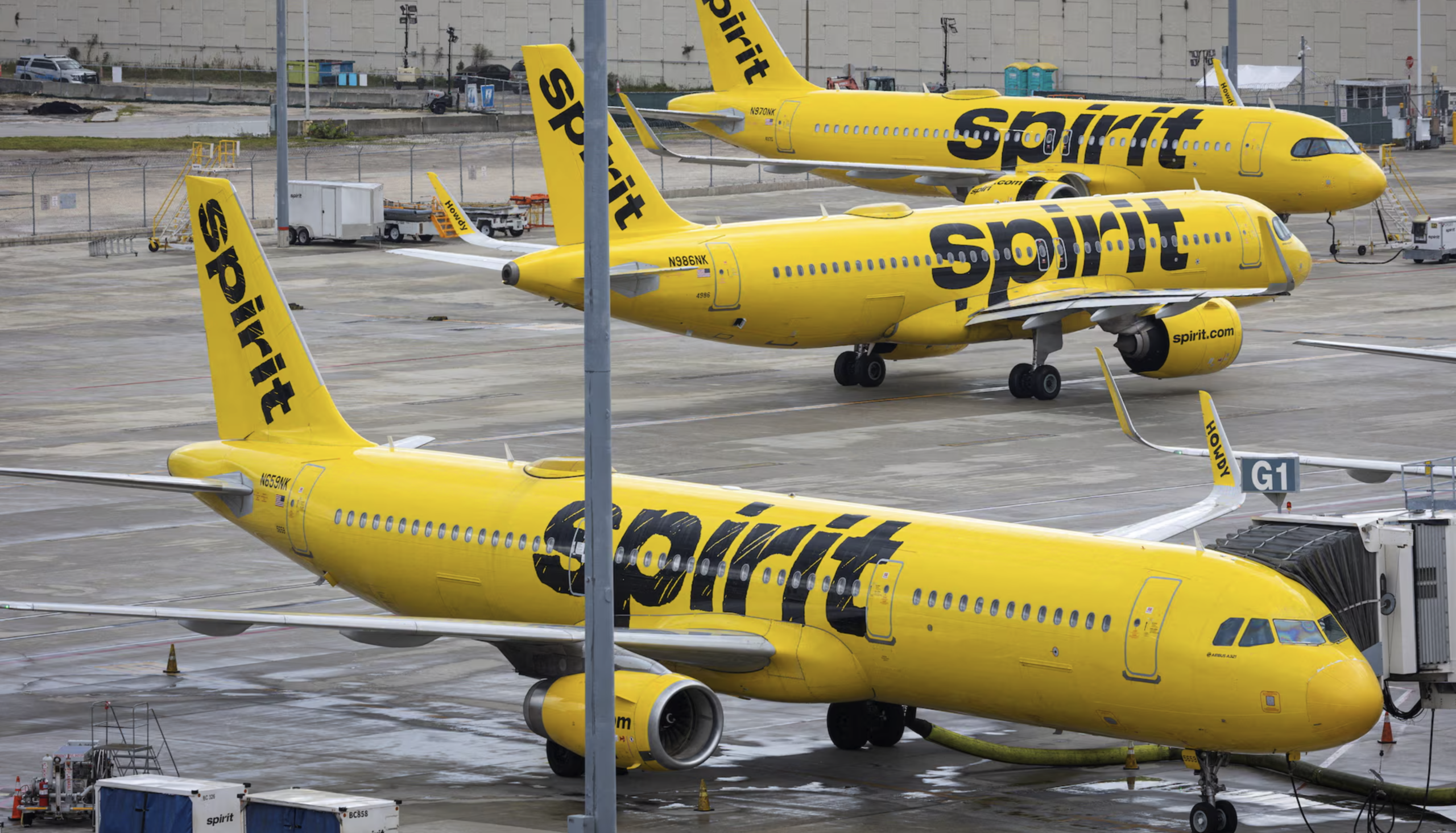
Spirit Airlines, once one of the most recognizable low-cost carriers in the United States, has begun winding down operations and canceled all flights, ending a run of more than three decades in the airline business. In a public notice posted on its website, the company said that on May 2, 2026, it started an “orderly wind-down” effective immediately and that customer service was no longer available. The announcement left passengers with future tickets looking for refunds and replacement flights, while employees faced an abrupt end to regular operations.
The shutdown did not come out of nowhere. Spirit had been under heavy financial pressure for years, including losses after the COVID-19 pandemic, rising operating costs, debt, and difficulty making its ultra-low-cost business model work in a changing travel market. The Associated Press reported that the airline had filed for bankruptcy protection twice, in 2024 and 2025, before finally announcing that it was going out of business.
Spirit said higher oil and fuel costs were a major factor in its final collapse. The company’s low-fare model depended on keeping costs low while charging separately for many services, but that model became harder to sustain as fuel, labor, and other operating expenses rose. AP reported that Spirit cited surging oil prices as the immediate reason it could no longer keep operating.
The airline also failed to secure a last-minute financial rescue. Reporting from AP, Reuters, and other outlets said proposed rescue talks and possible financial assistance did not produce a deal before the shutdown. Spirit’s earlier attempts to find a merger partner also failed, including the blocked JetBlue-Spirit merger, which federal regulators opposed on antitrust grounds. While some political figures have blamed the failed merger for Spirit’s downfall, the verified record shows a broader financial collapse involving debt, repeated bankruptcy filings, higher costs, and failed rescue efforts.
For travelers, the immediate effect was simple and severe: Spirit flights were canceled. Spirit’s website said all flights had been canceled and customer service was no longer available. Reuters reported that the company said it had nearly completed refunds for most customers who paid by credit or debit card, though some passengers could still see delays depending on payment processing. Other refund claims and unresolved customer issues may have to move through the bankruptcy process.
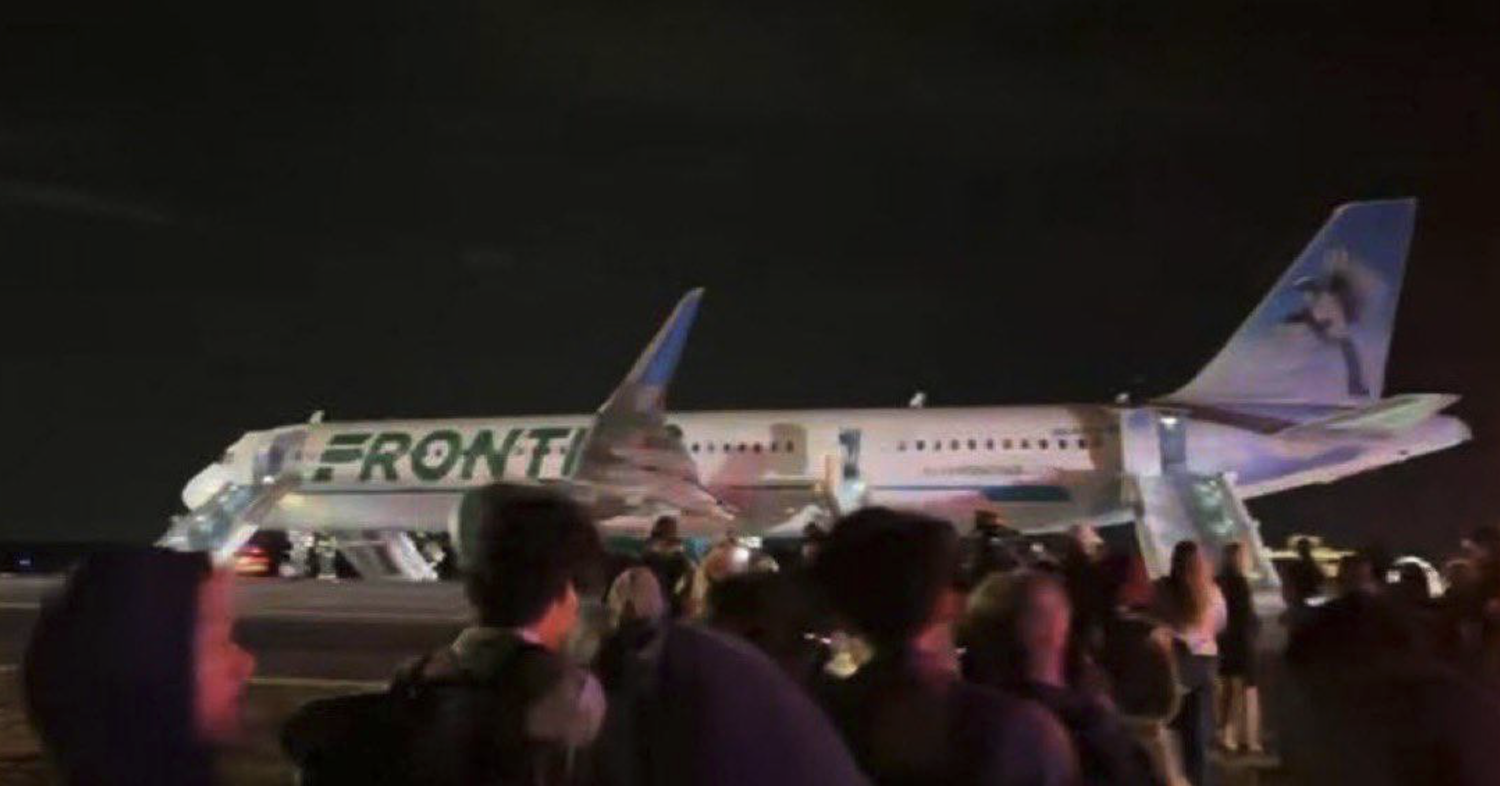
Other airlines have started moving to absorb stranded passengers and fill gaps left by Spirit. Reuters reported that carriers including Frontier, JetBlue, Southwest, Delta, and American offered discounted fares or added service to help displaced travelers. Business Insider also reported that JetBlue planned to add routes from Fort Lauderdale, one of Spirit’s most important markets, as competitors move into routes where Spirit had been a major low-fare player.
What happens next will likely be decided through the wind-down and bankruptcy process. Spirit’s remaining assets, including aircraft, airport-related rights, equipment, and other business interests, may be sold or reassigned to satisfy creditors. For passengers, the near-term issue is refunds and rebooking. For employees, it is job placement and final compensation. For the broader airline market, Spirit’s disappearance removes a major low-cost competitor, which could reduce pressure on fares in some leisure-heavy markets where Spirit once forced larger airlines to compete on price.