
A U.S. Army Apache helicopter went down near one of the world’s most sensitive waterways, pulling American forces into a fast-moving rescue operation near the Strait of Hormuz and raising new questions about whether the incident could reignite a broader confrontation with Iran.
U.S. Central Command said two crew members from an AH-64 Apache were rescued by American forces after the helicopter went down near the coast of Oman while patrolling regional waters. The command said the crew members were recovered within about two hours and were in stable condition. The cause of the incident remains under investigation.
President Donald Trump initially told reporters at John F. Kennedy International Airport in New York that the pilots were “fine” and that no one had been injured. Later Tuesday, Trump said Iran had shot down the helicopter and said the United States “must” respond.
The difference between the official military statement and Trump’s later claim leaves one of the central questions unresolved: whether the helicopter was brought down by hostile fire, mechanical failure or another cause.
CENTCOM’s public statement did not blame Iran. It said only that the Apache went down during a patrol and that the cause was under investigation. The rescue was led by U.S. Naval Forces Central Command and the 82nd Airborne Division, with support from U.S. Air Force and Navy units, including the U.S. 5th Fleet’s Task Force 59.
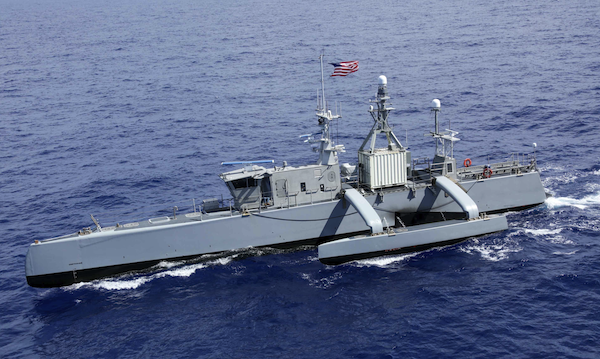
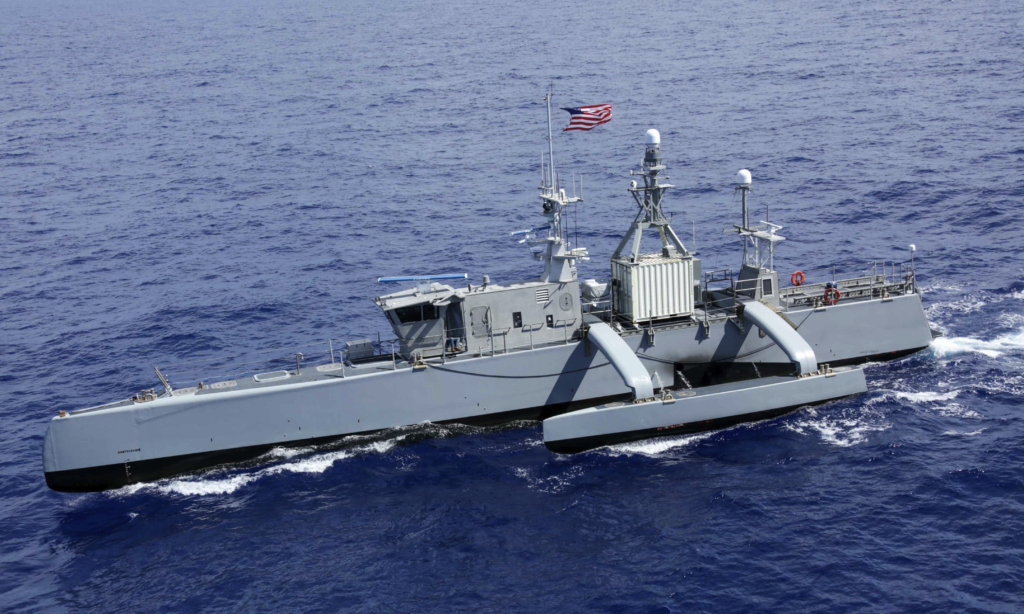
Reuters reported that a U.S. Navy unmanned surface vessel, described as a Saronic Corsair drone boat, helped rescue the crew. If confirmed as described, the operation would represent a notable use of unmanned maritime technology in a real-world rescue mission in the Gulf region.
The incident comes during a tense period around the Strait of Hormuz, the narrow passage between Iran and Oman that remains critical to global energy markets. The U.S. Energy Information Administration has said oil flows through the strait averaged about 20 million barrels per day in 2024, equal to roughly 20% of global petroleum liquids consumption.
The crash also occurred against the backdrop of continuing violence involving Iran, Israel, Hezbollah and U.S. forces in the region. Reuters reported that Israel struck the southern Lebanese city of Tyre on Tuesday, killing at least eight people, in an attack that added pressure to efforts to reach a broader peace arrangement. Iran has warned that renewed Israeli attacks on Hezbollah could lead Tehran to resume hostilities.
Iranian state television, according to Associated Press reporting, said at least two members of an Iranian air defense unit were killed in Israeli attacks on Monday. That report offered a rare official Iranian-side detail from the same period of escalating regional tension.
So far, no publicly available Iranian government statement has been verified that directly confirms or denies involvement in the Apache incident. That leaves the public record divided between Trump’s claim that Iran shot down the helicopter and the more cautious military statement saying the cause is still being investigated.
The helicopter incident also comes as Trump has suggested a deal with Iran could be close. Reporting from multiple outlets said Trump had expressed optimism that an agreement could come within days, even as he warned that the United States would respond if Iran was responsible for the Apache going down.
That combination — talk of a possible deal and threats of retaliation — reflects the fragile state of diplomacy in the region. A military response could risk derailing negotiations, while no response could invite political criticism if U.S. officials conclude the aircraft was attacked.
The AH-64 Apache is a heavily armed attack helicopter used for close air support, reconnaissance and armed patrol missions. In the Gulf region, such aircraft can be used to monitor waterways, deter small-boat threats and support broader maritime operations. Their use near the Strait of Hormuz underscores how closely military operations and global energy security are tied together in the region.
For now, the most important confirmed facts are limited. Two American crew members survived. The helicopter was lost near Oman while patrolling regional waters. U.S. forces recovered the crew within about two hours. CENTCOM says the cause is under investigation. Trump says Iran shot it down and that the United States must respond.
Until investigators release more details, the incident remains both a military accident under review and a potential flashpoint in an already unstable conflict.
The next official report may determine whether the Apache crash becomes a contained rescue story — or another step toward a wider confrontation in the Gulf.