
AUSTIN, Texas — A federal judge has blocked major parts of Texas’ Senate Bill 4, a sweeping state immigration law that would have allowed Texas judges to order some migrants removed from the United States, while leaving in place a provision that allows state and local police to arrest people suspected of illegally entering Texas from Mexico.
U.S. District Judge David A. Ezra issued a preliminary injunction Thursday, one day before much of the law was scheduled to take effect. The ruling prevents Texas from enforcing several of the most contested portions of the 2023 law, including provisions that would have allowed state magistrates to issue deportation-style removal orders and created state-level crimes tied to unlawful reentry.
The decision is the latest turn in a long legal fight over how far Texas can go in enforcing immigration laws, an area traditionally controlled by the federal government. Supporters of SB 4 argue Texas must act because border communities and state resources have been strained by illegal immigration. Opponents say the law violates the Constitution, interferes with federal immigration authority and could lead to racial profiling or wrongful arrests of people who are lawfully present in the United States.

Ezra ruled that key parts of SB 4 are likely preempted by federal law. In language cited by civil rights groups, the judge warned that allowing each state to create its own immigration system could undermine the national uniformity required in immigration enforcement and force the federal government to operate under a patchwork of conflicting state rules.
The law was passed by Texas lawmakers in 2023 during a period of high border crossings and escalating conflict between Texas officials and the federal government over immigration enforcement. Texas Republicans have argued that the state needs additional tools to respond to illegal border crossings, particularly when they believe federal enforcement is inadequate.
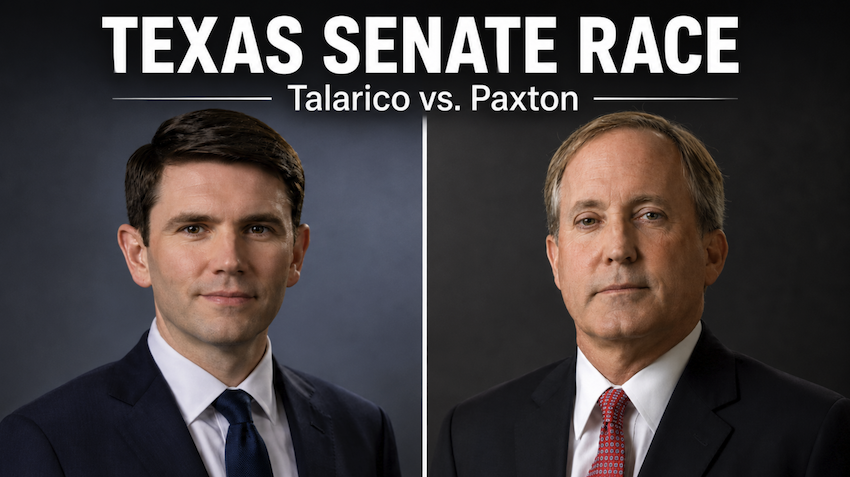
Texas Attorney General Ken Paxton previously defended SB 4 as a law designed to protect Texans by creating state crimes that mirror federal immigration offenses involving unlawful entry and reentry. After an April ruling from the 5th U.S. Circuit Court of Appeals revived the law on procedural grounds, Paxton’s office called the decision a “major victory” and said SB 4 empowers state police to arrest people who violated immigration laws.
Civil rights groups, including the ACLU, ACLU of Texas and Texas Civil Rights Project, filed the current class-action lawsuit on May 4. They argued that SB 4 violates the Supremacy Clause of the U.S. Constitution because immigration enforcement and removal proceedings are federal responsibilities. They also argued that the law could expose immigrants, asylum seekers and some legally present noncitizens to detention or removal orders from state officials who do not have authority under federal immigration law.
The ruling does not eliminate all of SB 4. According to The Texas Tribune, one provision allowing police to arrest people suspected of illegal entry did activate, even though the judge blocked other critical sections of the law. That means the legal and practical effect of the ruling may depend on how Texas law enforcement agencies interpret and use the remaining arrest authority.
The case has already moved through multiple rounds of litigation. In 2024, the Justice Department sued Texas over SB 4, arguing that the law was unconstitutional and conflicted with federal immigration authority. A federal appeals court later dismissed that challenge on standing grounds, leading civil rights organizations to file a new lawsuit on behalf of immigrants who said they faced possible arrest under the law.
For Texas officials, the dispute is part of a broader battle over border security and state sovereignty. State leaders have repeatedly said Texas has been forced to act because the federal government has failed to secure the border. They argue that SB 4 was written to track existing federal immigration crimes and give state officers a way to respond to illegal crossings inside Texas.
For immigrant-rights groups and the federal government, the concern is that immigration enforcement cannot be divided state by state. They argue that federal law already creates a detailed system for arrest, detention, asylum claims, immigration court proceedings and deportation, and that allowing Texas to create its own removal process could conflict with federal protections and international obligations.
The ruling is preliminary, not final. It blocks enforcement of key provisions while the lawsuit continues. Texas is expected to continue defending the law, and the case could return to the 5th Circuit, one of the country’s most conservative federal appeals courts.
For now, SB 4 remains only partially in effect, and the core legal question remains unresolved: whether Texas can create and enforce its own state immigration crimes and removal procedures, or whether those powers belong exclusively to the federal government.