A growing Ebola outbreak in Central Africa is raising public health concerns just weeks before the 2026 FIFA World Cup begins in North America, with U.S. officials imposing targeted travel restrictions and soccer officials monitoring the situation closely.
The outbreak involves the Bundibugyo strain of Ebola, a rare form of the disease now reported in the Democratic Republic of the Congo and Uganda. The World Health Organization declared the outbreak a public health emergency of international concern on May 17, saying the situation presents a risk of international spread and requires coordinated global action. WHO said cases had been reported in eastern Congo’s Ituri Province, with additional confirmed cases in Kampala, Uganda, involving travelers from Congo.
The numbers have continued to shift as health officials investigate suspected cases. The CDC reported 10 confirmed cases, 336 suspected cases and 88 deaths in Congo, along with two confirmed cases and one death in Uganda. The agency said the figures may change as more testing and field investigations are completed.
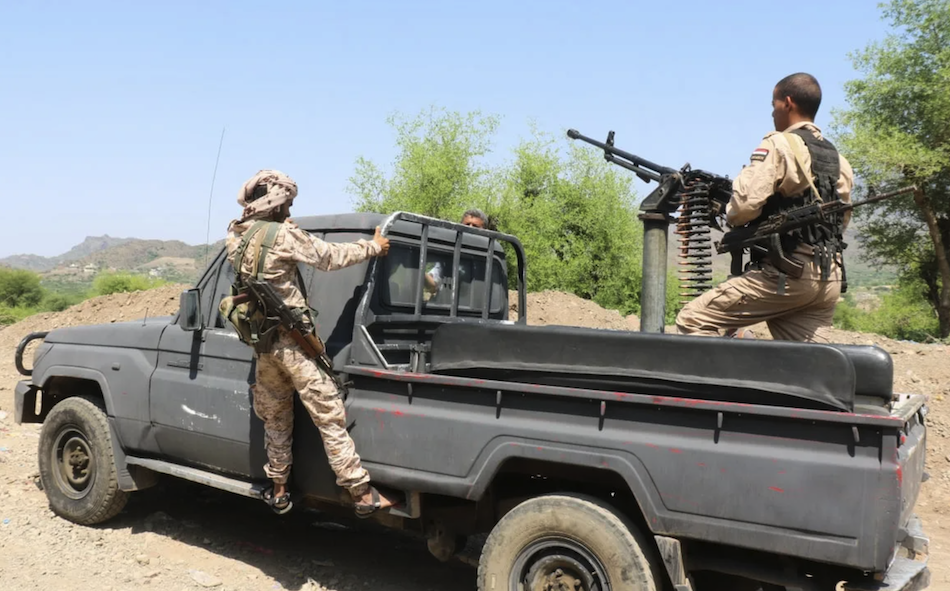
Health officials say the outbreak is especially concerning because it is occurring in an area affected by conflict, population movement and limited access for response teams. WHO also said there are no approved vaccines or therapeutics specifically for the Bundibugyo strain, unlike the better-known Zaire strain of Ebola.
The CDC says the immediate risk to the general American public remains low. Ebola does not spread through the air or casual contact. It is transmitted through direct contact with the bodily fluids of a person who is sick or has died from the disease. Still, U.S. officials said they are taking additional precautions because of the seriousness of Ebola and the possibility that infected travelers could arrive before symptoms are recognized.
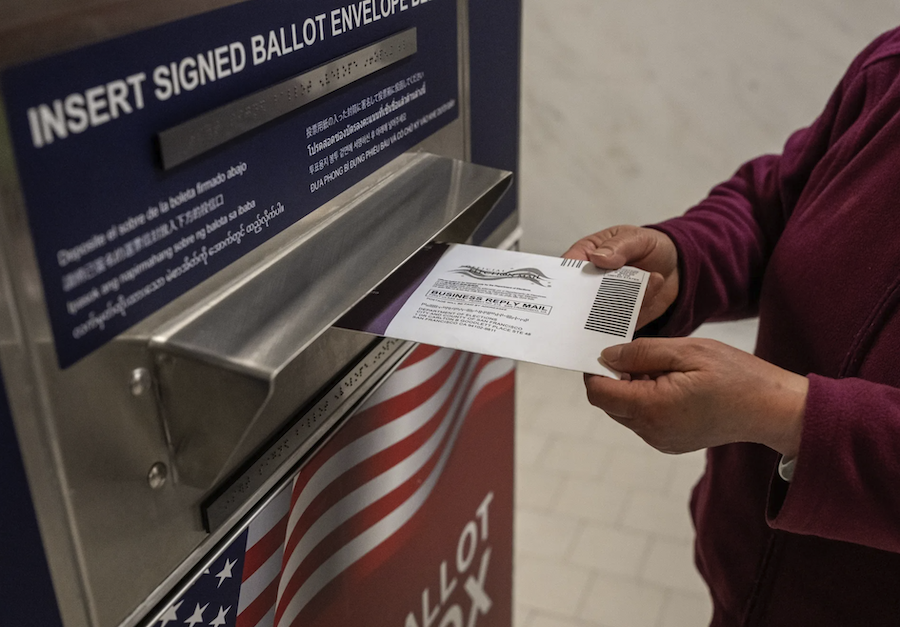
On May 18, the CDC, Department of Homeland Security and other federal agencies implemented enhanced travel screening, traveler monitoring and entry restrictions. The order applies for 30 days and restricts entry for non-U.S. passport holders who have been in Uganda, the Democratic Republic of the Congo or South Sudan during the previous 21 days. The CDC also said it will coordinate with airlines, international partners and port-of-entry officials, while expanding contact tracing, laboratory testing and hospital readiness.
The timing is important because the FIFA World Cup begins June 11 and will be hosted by the United States, Canada and Mexico. Houston is one of the U.S. host cities and is preparing for large numbers of international visitors. The Houston Health Department has already created a FIFA 26 health toolkit for clinicians, reminding medical providers to consider travel history when evaluating patients because the tournament is expected to bring visitors from qualifying countries and from around the world.
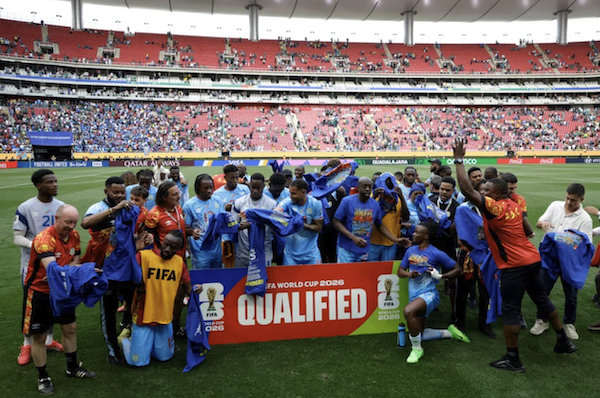
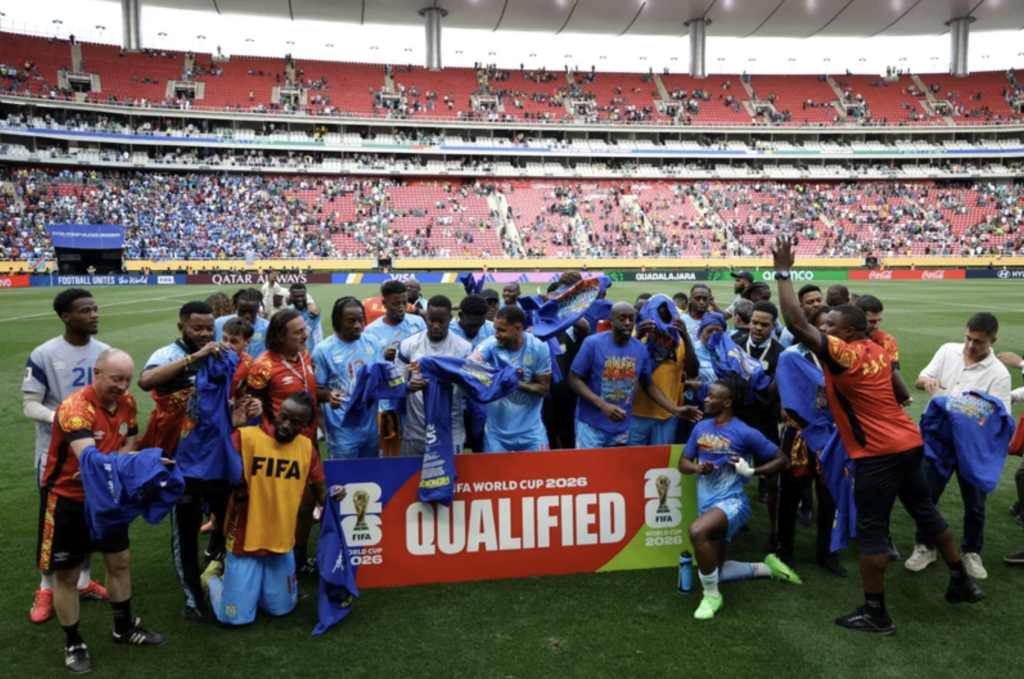
The outbreak has already affected World Cup preparations for the Democratic Republic of the Congo’s national team. The Associated Press reported that Congo canceled a planned three-day training camp and public farewell event in Kinshasa because of Ebola concerns. Team officials said the rest of the team’s preparations would continue abroad, including warmup matches in Belgium and Spain before the team moves to Houston.
FIFA said it is aware of the outbreak and is monitoring the situation while staying in contact with the Congo DR Football Association. According to AP, a U.S. official said the Congolese team may not be affected by the entry ban if players and staff have been training in Europe and have not been in the affected countries during the previous 21 days. However, AP reported that the same exception would not necessarily apply to Congolese fans seeking to travel to the United States for the tournament.
Congo is scheduled to open its World Cup campaign against Portugal in Houston on June 17, then play Colombia in Guadalajara, Mexico, on June 23 and Uzbekistan in Atlanta on June 27.
Public health experts generally support early screening and travel monitoring during Ebola outbreaks, especially when cases are linked to international travel. Their argument is that quick detection, isolation and contact tracing can prevent a small number of travel-related cases from becoming a wider problem.
But broad travel restrictions can also carry costs. Critics of aggressive restrictions often argue that they may discourage people from reporting symptoms or travel history, disrupt humanitarian response, and create confusion for travelers who are not actually at risk. Sports and tourism officials also have to balance safety with the practical reality that the World Cup depends on international movement by teams, staff, media and fans.
For most World Cup travelers, the outbreak is unlikely to change plans unless they are coming from or recently traveled through affected areas. The bigger impact may be on fans, team staff and officials with recent travel history in Congo, Uganda or South Sudan, who could face screening, monitoring, quarantine requirements or entry restrictions depending on their citizenship, itinerary and exposure history.
For Houston and other host cities, the outbreak adds another layer to an already complex security and health operation. Local hospitals, emergency managers and public health departments will need to be ready to evaluate travelers with fever or other symptoms while avoiding unnecessary panic.
At this point, officials are not suggesting that the World Cup itself is in danger. The more likely scenario is a tournament that continues as planned, but with tighter health screening, closer coordination between FIFA and government agencies, and added scrutiny for travelers connected to affected countries.
The central message from health officials is caution without panic: Ebola is deadly and requires a serious response, but it is not easily spread through ordinary public contact. The success of the response will likely depend on fast case detection, honest travel screening, public cooperation and continued containment work in the outbreak zone.