WASHINGTON – The United States and Iran had not reported new direct attacks against each other for three days as of Monday, July 27. The pause came after nearly two weeks of U.S. airstrikes inside Iran and Iranian attacks on American bases and other targets across the Middle East. The pause is not a formal ceasefire, and both sides say they are ready to respond if attacked.
President Donald Trump said Monday that the United States was having “good talks” with Iran and that a possible agreement could be reached. He also warned that the United States could take strong military action if diplomacy fails. Iran gave a different account, saying it had not asked for direct talks with Washington. Iranian officials said messages were still being passed through other countries.
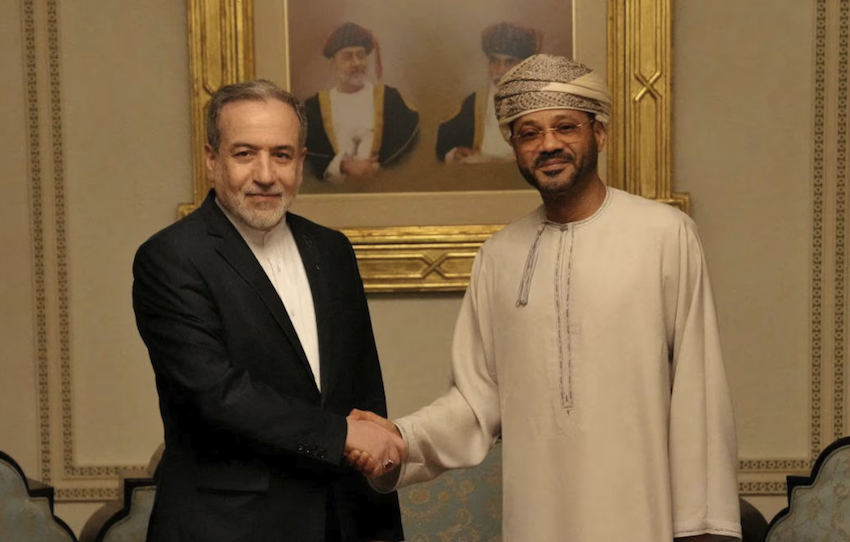
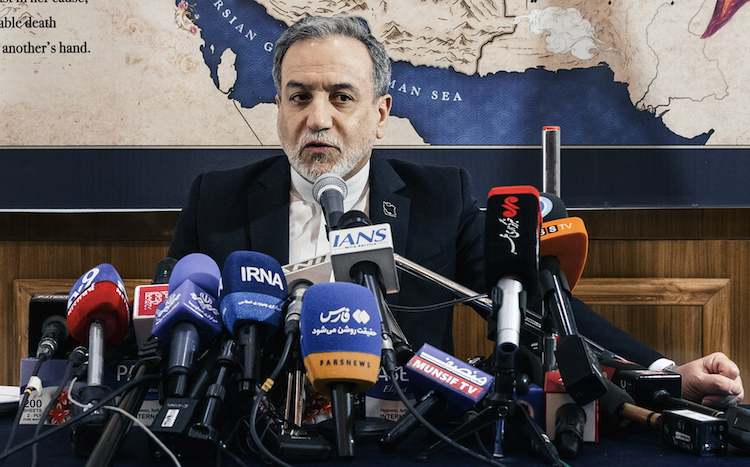
Officials from Qatar, Pakistan and Oman are working as mediators between the two countries. Regional officials told The Associated Press that progress had been made toward restarting negotiations. Iran’s Foreign Ministry said there were no direct U.S.-Iran talks, but it confirmed that mediators were carrying messages between the two governments.
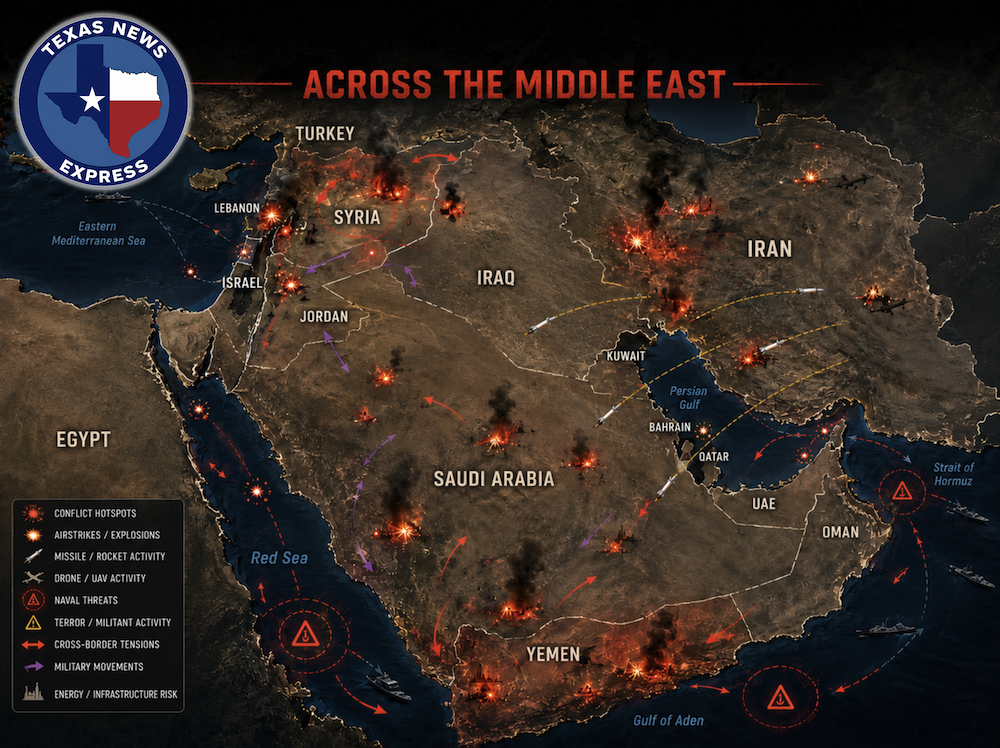
The latest U.S. bombing campaign lasted 13 nights. U.S. Central Command said the strikes targeted Iranian military command centers, drone sites, coastal defenses and other military facilities. CENTCOM’s most recent public strike announcement was issued on July 23, and the command had not announced another strike as of Monday.
Tensions remain high because Iran-backed armed groups are still active. Saudi Arabia said it shot down drones aimed at oil facilities, including sites near Riyadh. Saudi officials said the drones were launched by an Iran-backed group in Iraq. Jordan also reported shooting down two drones, while drone attacks were reported in northern Iraq. No deaths or major damage were reported in those incidents.
Four U.S. service members were killed during the recent two-week period of fighting. Three were killed during an Iranian attack on a base in Jordan, and one died in Iraq. Iran had attacked countries that host American forces after the United States began its latest round of strikes.
The Strait of Hormuz remains one of the main causes of the conflict. Iran says it has the right to control ship traffic through the narrow waterway. The United States says commercial ships must be allowed to pass freely. Iran said Monday that it had turned back six ships that tried to cross without its approval. The United States is continuing a naval blockade against Iran and said it had redirected 17 commercial ships, boarded two and disabled two others.
Oil prices fell after the United States and Iran paused their attacks. Brent crude had risen above $100 per barrel during the fighting but dropped to around $90 on Monday. The price decline showed that energy markets believe the risk of an immediate wider war has decreased, although shipping through the Strait of Hormuz remains far below normal levels.
Israeli Prime Minister Benjamin Netanyahu is traveling to Washington for talks with Trump, with Iran expected to be the main subject. Netanyahu said Israel supports efforts to protect regional security but has warned that Israel would respond strongly to any Iranian attack. The direct pause between Washington and Tehran has lowered tensions for now, but major disputes over shipping, Iran’s nuclear program and regional armed groups remain unresolved.