The United States has launched a new round of military strikes inside Iran, saying the attacks were defensive actions meant to protect American forces and commercial shipping near the Strait of Hormuz. Iran, however, accused Washington of violating a fragile ceasefire and warned that the strikes could damage efforts to end the conflict.
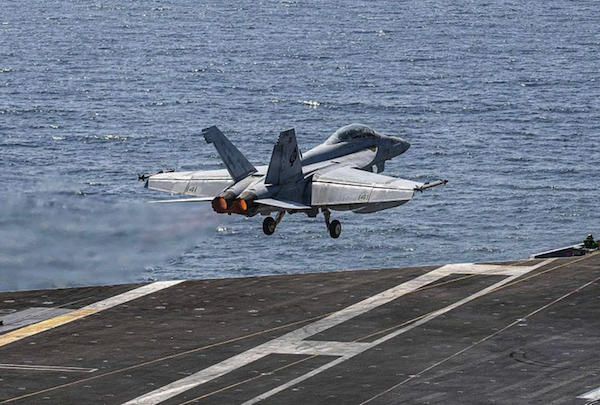
U.S. Central Command said American forces carried out “self-defense strikes” in southern Iran after what U.S. officials described as threats from Iranian forces. The reported targets included missile launch sites and Iranian boats that the U.S. said were attempting to place mines near the Strait of Hormuz, one of the world’s most important shipping lanes.
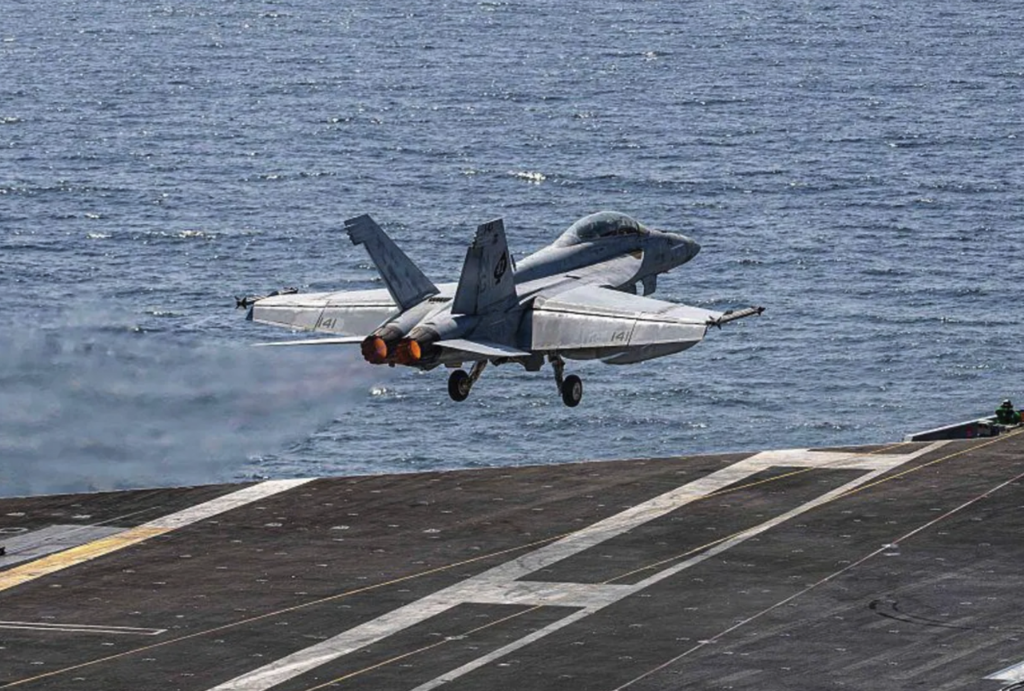
A U.S. defense official later said American forces also shot down four Iranian one-way attack drones near the strait and struck a drone-control station in Bandar Abbas, preventing the launch of a fifth drone. U.S. officials described the operation as limited and defensive, not as an attempt to restart full-scale combat.
The strikes come at a sensitive moment. The United States and Iran have been engaged in negotiations aimed at preserving or expanding a ceasefire and reopening the Strait of Hormuz to more normal commercial traffic. The waterway is critical to global oil and gas shipments, and instability there can quickly affect energy prices around the world.
Iran rejected the U.S. explanation and said the strikes were a violation of the ceasefire. Iranian officials have accused Washington of using negotiations as cover for continued military pressure. Tehran has also insisted that any broader agreement must address sanctions and Iran’s ability to control its own territory and waters.
The Trump administration has said the Strait of Hormuz must remain open to international shipping and not be controlled by Iran or any other single country. The U.S. also announced new sanctions targeting an Iranian agency connected to efforts to control shipping through the strait.
The latest strikes are part of a wider pattern of military and diplomatic pressure. Washington says its forces are responding to immediate threats while still allowing diplomacy to continue. Iran says the strikes show the U.S. cannot be trusted during ceasefire talks.
Secretary of State Marco Rubio has said a deal with Iran remains possible, but U.S. officials have continued to insist that any agreement must address the Strait of Hormuz and Iran’s stockpile of highly enriched uranium. Iran has resisted demands it views as a surrender of national rights.
The situation remains dangerous because both sides are trying to send different messages at the same time. The United States is signaling that it wants a diplomatic agreement, but will use force to defend its troops and shipping. Iran is signaling that it remains open to talks, but will not accept military pressure without response.
For consumers, the biggest immediate concern is energy. The Strait of Hormuz is a major route for global petroleum shipments, and even limited military clashes near the waterway can increase uncertainty in oil markets. That does not automatically mean gasoline prices will spike, but it does raise the risk of volatility if the fighting expands or shipping is further disrupted.
For the region, the new strikes raise the possibility that a ceasefire could unravel before negotiators reach a durable agreement. For the White House, they also create a political challenge: showing strength against Iran while avoiding a larger war that could raise fuel prices, strain U.S. forces and destabilize the Gulf.
For now, the U.S. position is that the strikes were defensive and limited. Iran’s position is that they were unlawful and escalatory. The gap between those two views is exactly why the ceasefire remains fragile — and why the Strait of Hormuz remains one of the most closely watched flashpoints in the world.