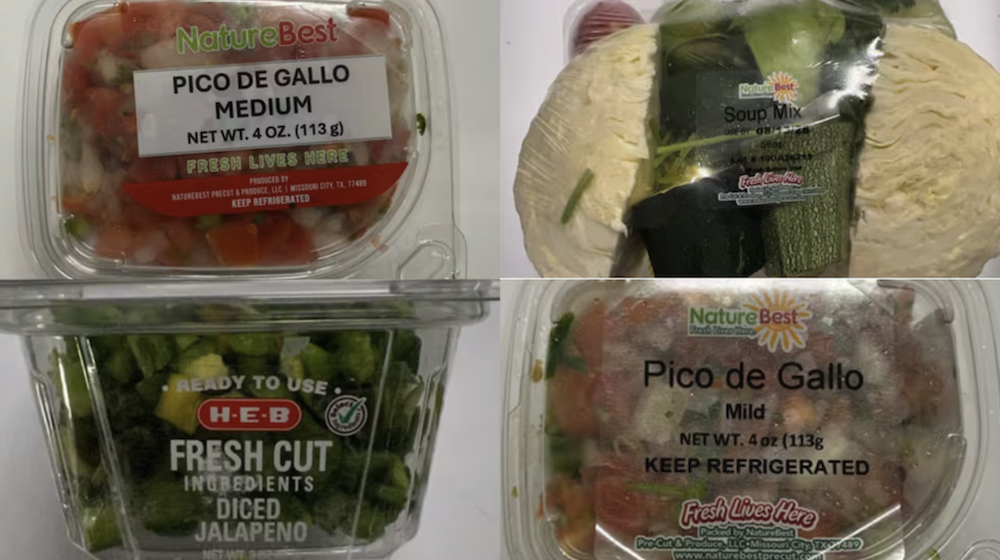
Jalapeño products sold at H-E-B are part of a Salmonella recall as several major foodborne outbreaks have sickened thousands of Americans this year.
SAN ANTONIO — H-E-B has removed dozens of foods from its stores after jalapeño peppers used in several products were linked to a nationwide Salmonella outbreak. The recalled foods were sold in Texas and Louisiana and include H-E-B pico de gallo, guacamole, ceviche, soup kits, stuffed mushrooms, cheese spreads, sandwiches and other prepared foods. H-E-B says all affected products have been removed and products now on its shelves are not part of the recall.
The problem began with jalapeños grown in Sinaloa, Mexico, and distributed in the United States by Coast Citrus Distributors. The Centers for Disease Control and Prevention says testing and tracking information have linked those peppers to a Salmonella Javiana outbreak. As of the latest CDC count, 345 people in 27 states have become sick, 36 have been hospitalized and no deaths have been reported.
NatureBest Precut & Produce, which has facilities in Houston and Missouri City, recalled products made with the affected peppers. Those foods were distributed from July 3 through Aug. 5. H-E-B later removed additional foods prepared inside its stores because they contained ingredients covered by the recall. The list includes several types of pico de gallo, guacamole, shrimp and imitation-crab ceviche, Mexican street corn salad and jalapeño pimento cheese products.
A second recall involves Salata Jalapeño Avocado Dressing sold at H-E-B stores across Texas. Salata Dressings of Houston recalled 12-ounce bottles with best-by dates of Nov. 5, Nov. 13, Nov. 18 or Nov. 25, 2026. The company said jalapeños used in the dressing may have been contaminated with Salmonella. No illnesses have been reported specifically from the dressing.
The jalapeño problem reaches far beyond H-E-B. Recalled peppers or foods containing them were distributed to stores including Walmart, Target, Kroger, Trader Joe’s, Whole Foods, Albertsons and other retailers in many states. Chipotle and QDOBA also stopped serving affected jalapeños after learning about the outbreak. Federal health officials say those restaurant actions removed the current known risk from the affected peppers at those chains.
The recalls come during a year in which several large foodborne outbreaks have drawn national attention. One of the biggest involves Cyclospora contamination linked to iceberg lettuce processed by Taylor Farms de Mexico. The CDC reported 9,481 confirmed illnesses in 17 states, at least 398 hospitalizations and two deaths as of Aug. 13. Some patients had reported eating at Taco Bell, while the investigation later connected the illnesses more broadly to the contaminated lettuce. The recalled lettuce has passed its best-by dates and should no longer be available for sale.
Another Salmonella outbreak was linked to eggs produced in Texas by Midwest Poultry Services. The company recalled more than 1.5 million dozen eggs in July. The CDC reported 98 illnesses in 17 states and 26 hospitalizations, with no deaths. Laboratory testing found the outbreak strain in samples taken from the company’s farms.
Earlier this year, federal officials also investigated Salmonella infections connected to moringa leaf powder and several “super greens” supplements. That outbreak ended with 131 confirmed illnesses in 38 states and 36 hospitalizations. No deaths were reported, but federal officials continue to warn consumers to check their homes because some recalled products have expiration dates extending into 2028.
Taken together, those four major outbreaks — jalapeños, iceberg lettuce, eggs and moringa products — account for more than 10,000 confirmed illnesses in 2026. Health officials caution that the actual number is probably higher because many people with foodborne illness recover at home and are never tested. A recall also does not always mean people have become sick. Many recalls are ordered as a precaution after testing discovers bacteria, allergens, metal pieces or other possible dangers before illnesses are reported.
Foodborne illness remains common even outside major outbreaks. The CDC estimates that about 48 million Americans become sick from contaminated food each year, about 128,000 are hospitalized and roughly 3,000 die. Salmonella symptoms usually include diarrhea, fever and stomach cramps and often begin within six hours to six days after eating contaminated food. Young children, older adults and people with weakened immune systems face a greater risk of serious illness.
H-E-B is asking customers who still have recalled products not to eat them. NatureBest products can be thrown away or returned to the store where they were purchased. Federal health officials also recommend washing containers, refrigerators, cutting boards and other surfaces that may have touched recalled jalapeños with hot, soapy water. Customers can check H-E-B’s recall page and the FDA’s recall database for updated product names, dates and UPC numbers.