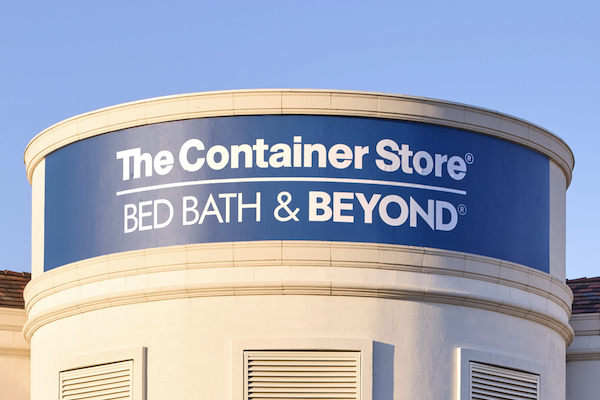
Bed Bath & Beyond is accelerating its return to physical retail, opening a new co-branded format with The Container Store in 22 initial markets and preparing additional locations for conversion in the coming weeks. Texas is playing an outsized role in the comeback, with Austin and Houston included in the first rollout and more than a dozen locations across the state expected to adopt the combined format.
The new stores are not a revival of the old Bed Bath & Beyond chain in its original form. The former retailer filed for Chapter 11 bankruptcy protection in April 2023 and closed all of its remaining stores. Overstock.com later purchased the Bed Bath & Beyond name, website and other intellectual property, creating a new company around the familiar brand.
The revived company is now combining Bed Bath & Beyond merchandise with The Container Store’s organization products, custom closets and in-home design services. The company describes the strategy as an “Everything Home” model intended to let customers buy bedding, kitchen products and bath items while also arranging storage systems, installation and other home services in one place.
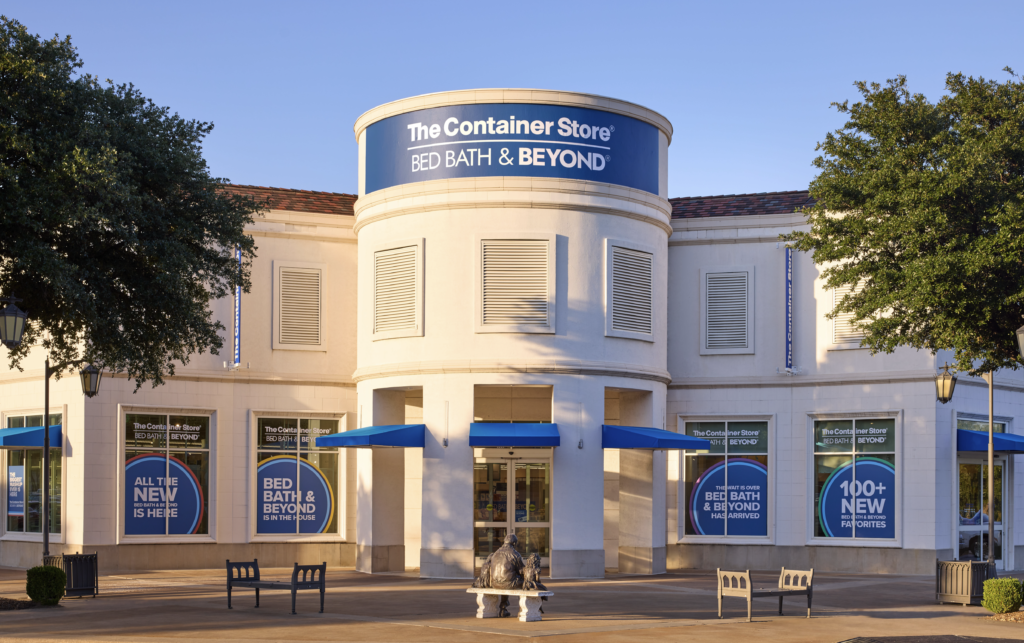
The first co-branded location opened in Fort Worth in May. The company followed that launch by announcing 22 Phase One markets, including Austin and Houston. Other early locations include Nashville, Miami, Chicago, Charlotte, Los Angeles, New York and Seattle-area Bellevue.
The wider plan covers all 98 Container Store locations. In preparation for the conversion, The Container Store began resetting its stores and liquidating approximately 30% of selected categories and stock-keeping units to create space for Bed Bath & Beyond merchandise.
Texas has 13 Container Store locations identified for conversion: two in Houston, along with stores in Friendswood, The Woodlands, Austin, Arlington, Fort Worth, Fairview, two in Dallas, San Antonio, Southlake and Plano. Four of those stores serve the Houston region, at FM 1960 West and Post Oak Boulevard in Houston, Gulf Freeway in Friendswood and Lake Woodlands Drive in The Woodlands.
The expansion gives Texas shoppers access to a physical Bed Bath & Beyond presence for the first time since the former chain’s stores closed in 2023. However, customers should expect something different from the large standalone stores that once carried towering shelves of bedding, towels and kitchenware. The new concept operates inside existing Container Store locations and combines both companies’ products and services.
For employees, the immediate effect is more likely to involve changing duties than a large wave of new store openings. Existing Container Store workers may need additional product training, merchandising responsibilities and familiarity with expanded bedding, bath, kitchen and home-service offerings. The broader strategy could eventually create additional positions in sales, installation, inventory, design and home services, but the company has not publicly disclosed how many jobs the 22-store rollout—or the Texas conversions specifically—will create.
The conversions could also help preserve employment at The Container Store by giving its existing store network a broader product mix and another nationally recognized brand. That may be especially important after The Container Store experienced financial difficulties of its own. Still, preserving current positions is different from creating new ones, and there is not yet enough public information to determine whether staffing at individual Texas stores will increase.
Former Bed Bath & Beyond employees should not assume the comeback restores their previous jobs. The current Bed Bath & Beyond is legally and operationally different from the retailer that entered bankruptcy. No company announcement has offered former workers automatic reinstatement, seniority restoration or priority in hiring. Former employees would generally need to apply for available positions through the current company or The Container Store like other applicants.
Some former workers may nevertheless have an advantage because they already understand the brand’s products, customer expectations, wedding registries and traditional store operations. Experience with bedding, bath products, kitchen appliances and visual merchandising could be useful as the company rebuilds an in-person retail operation. Whether that experience leads to rehiring will depend on local staffing needs and the company’s hiring decisions.
The Texas impact will be noticeable locally but small when measured against the entire state economy. Texas reported more than 14.4 million nonfarm jobs in May 2026 and added 17,800 positions during the month. Trade, transportation and utilities led the state’s monthly employment growth with 7,100 additional jobs. Against that backdrop, staffing changes at 13 retail stores would not significantly alter statewide employment figures.
The rollout could still matter to individual shopping centers and communities. Stores that attract more visitors can support nearby restaurants and retailers, while expanded installation and home-service offerings may generate work for contractors and service providers. The conversions also reinforce North Texas’ importance to the company: the first combined store opened in Fort Worth, The Container Store has deep roots in the Dallas area and the parent company is building a larger presence around the region.
The company is betting that nostalgia for Bed Bath & Beyond, combined with The Container Store’s service-oriented business, can produce a stronger model than either brand offered separately. Executives have also said they want to restore national brands that customers recognize, including KitchenAid, SharkNinja and Cuisinart, after the former Bed Bath & Beyond lost shoppers partly by relying too heavily on unfamiliar private-label merchandise.
The strategy remains a business gamble. Home-goods retailers face intense competition from Amazon, Walmart, Target, HomeGoods, Costco and specialty online sellers. Consumers are also under pressure from high housing costs and elevated prices, which can make furniture and home-product purchases easier to postpone.
For Texas, the comeback represents a modest retail expansion rather than a return to the old Bed Bath & Beyond empire. It may create some jobs, preserve others and provide new opportunities for former employees, but the company has not announced hiring totals or promised that displaced workers will be brought back.
The more important test will be whether shoppers view the combined stores as a useful home destination—or simply two familiar retail names sharing the same building.