Texas Gov. Greg Abbott is asking the federal government to provide tax relief for Texans hit by the deadly July 2026 storms and floods. In a letter sent Thursday, October 15, to U.S. Treasury Secretary Scott Bessent, Abbott requested more time to file and pay federal taxes, along with relief from certain late fees and penalties. The request covers residents and businesses in 62 Texas counties, including areas that have not received the same level of federal disaster assistance as other affected communities.
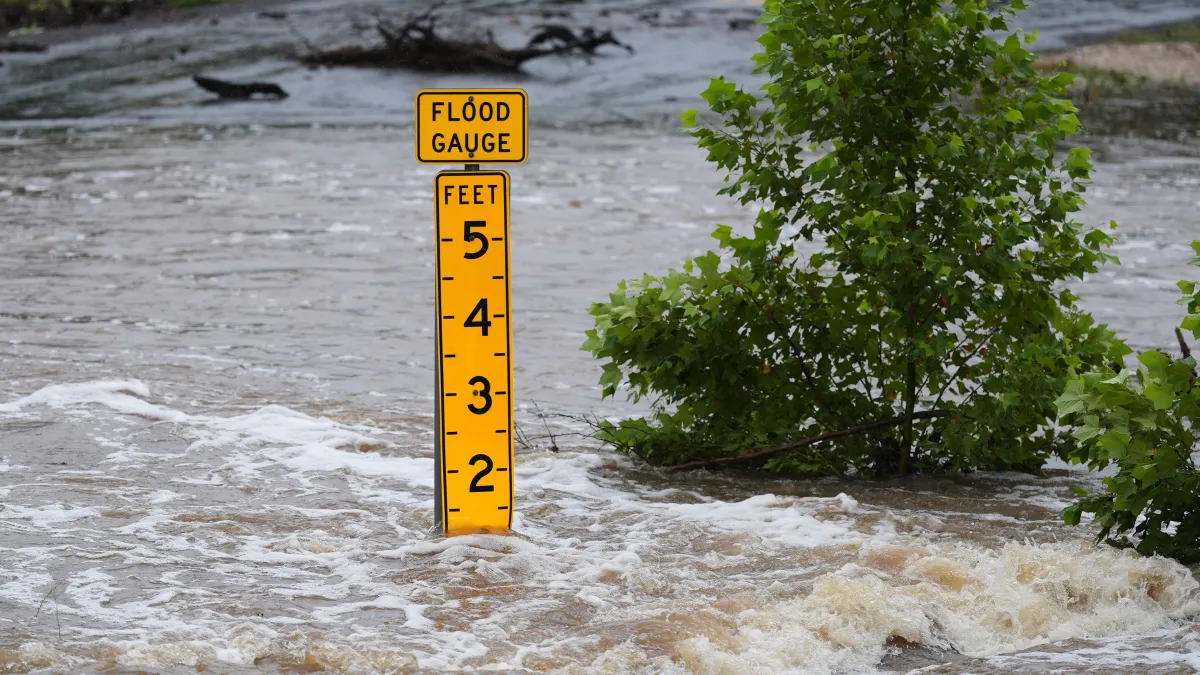
The request comes months after heavy rain and flash flooding damaged homes, businesses, roads, and other public property across Texas. While the federal government has approved some disaster funding, questions remain about additional aid for people whose homes and personal property were damaged.
Abbott Asks Treasury Department for Tax Relief
Abbott’s October 15 letter asks the U.S. Treasury Department to temporarily suspend certain federal tax filing and payment deadlines for people and businesses affected by the July storms.
The governor is also asking the federal government to waive related late fees and penalties. The goal is to give affected Texans more time to deal with storm damage and recovery costs instead of facing tax deadlines while trying to rebuild.
Abbott said families and businesses affected by the storms need relief as they work to recover.
The request covers all 62 counties included in the state’s disaster proclamation, which Abbott issued on July 14. A federal major disaster declaration approved on September 1 covered 23 counties, leaving other counties outside that particular declaration.
The governor wants the requested tax relief extended to all 62 counties, not just those included in the federal disaster declaration.
What Federal Disaster Tax Relief Could Mean
If approved, the requested relief could give eligible taxpayers more time to file federal tax returns and make payments covered by the government’s decision.
It could also reduce the risk of penalties and interest associated with qualifying deadlines during the relief period.
That extra time could matter to a small business trying to reopen, a homeowner paying for repairs, or a family dealing with temporary living expenses after a flood.
However, the exact deadlines, eligible taxes, and length of any extension would depend on the relief granted by federal officials.
The request does not mean that the government would erase all taxes owed. Disaster tax relief generally provides extra time to meet certain obligations, and it does not automatically reimburse taxpayers for damaged property.
The Internal Revenue Service has procedures for disaster-related tax relief. Under federal law, governors can also request postponements for qualifying state-declared disasters through a written request. The IRS and Treasury Department would need to determine how the request applies to the affected Texas counties.
Until the federal government announces a decision, Texans should not assume that the requested extensions or penalty waivers are already in effect.
Why Abbott Wants All 62 Counties Included
One of the main issues is the difference between the state’s disaster proclamation and the counties covered by federal assistance programs.
Abbott’s state proclamation covers 62 counties. Federal disaster declarations, however, identify which counties qualify for particular types of aid.
A county may be included in a state disaster proclamation without receiving every form of federal assistance. Federal officials use damage assessments and program rules to determine which areas qualify.
Abbott’s request seeks to avoid limiting the proposed tax relief to the counties already included in the major disaster declaration.
This broader request could matter to residents and businesses that suffered storm damage but live outside the counties approved for specific federal programs.
The Treasury Department’s decision will determine whether the relief is extended statewide to all 62 counties covered by the governor’s request or limited in some other way.
What Texans Should Watch For Next
The next major development will be a response from the U.S. Treasury Department and any resulting guidance from the IRS.
If the request is approved, federal officials would need to explain which counties and taxpayers qualify, which tax deadlines are covered, and when the extensions would begin and end.
Taxpayers should check official IRS disaster-relief announcements before changing their filing or payment plans. The IRS maintains a public page listing disaster-related tax extensions and other relief measures.
Texans can also follow updates from the Texas Division of Emergency Management and the governor’s office for information about disaster recovery programs.